Recovery isn't passive — it's an active, nutrition-dependent process. The decisions you make in the immediate post-exercise window directly influence muscle protein synthesis, glycogen replenishment, and your readiness to train again tomorrow.
The Anabolic Window
For years, sports nutrition focused on the "anabolic window" — a narrow 30-minute post-workout period where nutrient uptake was believed to be dramatically enhanced. More recent research has refined this picture: while the window is real, it's wider than originally thought (up to 2 hours), and its importance depends heavily on training state and when you last ate.
That said, training fasted or going more than 2 hours without eating post-workout does impair recovery. The practical advice remains: eat something meaningful within 60 minutes of finishing.
The Carbohydrate-Protein Combination
The most effective recovery nutrition combines carbohydrates and protein in a roughly 3:1 or 4:1 ratio. Carbohydrates replenish muscle glycogen, while protein provides the amino acids needed for muscle repair and synthesis.
Research by Ivy & Portman shows that the combination enhances glycogen synthesis by 38% compared to carbohydrates alone, and co-ingestion of protein with carbohydrates stimulates a greater insulin response, which aids glucose uptake into muscle cells.
Protein Quantity Matters
The threshold for maximally stimulating muscle protein synthesis is approximately 20–40g of high-quality protein per meal. Leucine — an essential amino acid found in whey, egg, and meat — is particularly potent at triggering the mTOR pathway, the cellular signaling cascade responsible for muscle growth and repair.
Anti-Inflammatory Nutrition
Exercise causes transient muscle damage and inflammation — a necessary part of adaptation. But excessive inflammation slows recovery. Foods rich in omega-3 fatty acids (fatty fish, flaxseed), tart cherry juice, and curcumin have all demonstrated modest anti-inflammatory effects in athletic populations.
Sleep: The Most Underrated Recovery Tool
No supplement replicates the recovery benefits of quality sleep. During deep sleep, the body releases growth hormone, repairs tissue, and consolidates motor learning. Athletes who sleep less than 7 hours per night show significantly higher rates of injury and illness. Aim for 8–9 hours during heavy training blocks. For a full breakdown of the physiology, see our guide on sleep as the recovery tool no supplement can replace.
After a Marathon
Post-race recovery requires a longer protocol than standard post-workout nutrition. The muscle damage, immune suppression, and glycogen depletion from a marathon are qualitatively different from a typical training session. See our complete marathon recovery guide for the 48 hours after race day.
The NorthLine Recovery Gel
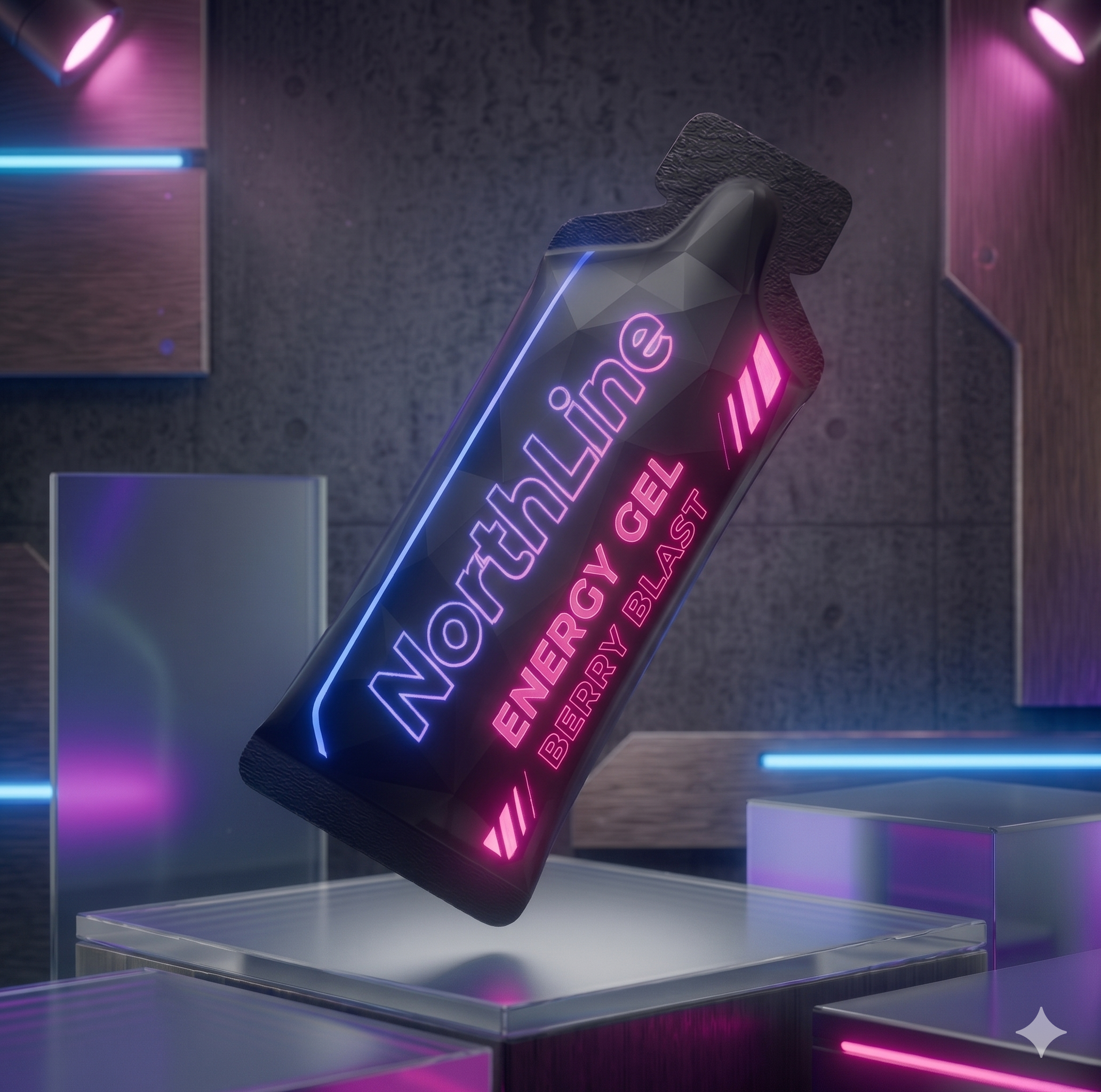
Our recovery gel was formulated specifically for the post-workout window — providing 30g of fast-acting carbohydrates plus 8g of BCAA-enriched protein to kickstart the recovery process wherever you finish your session.