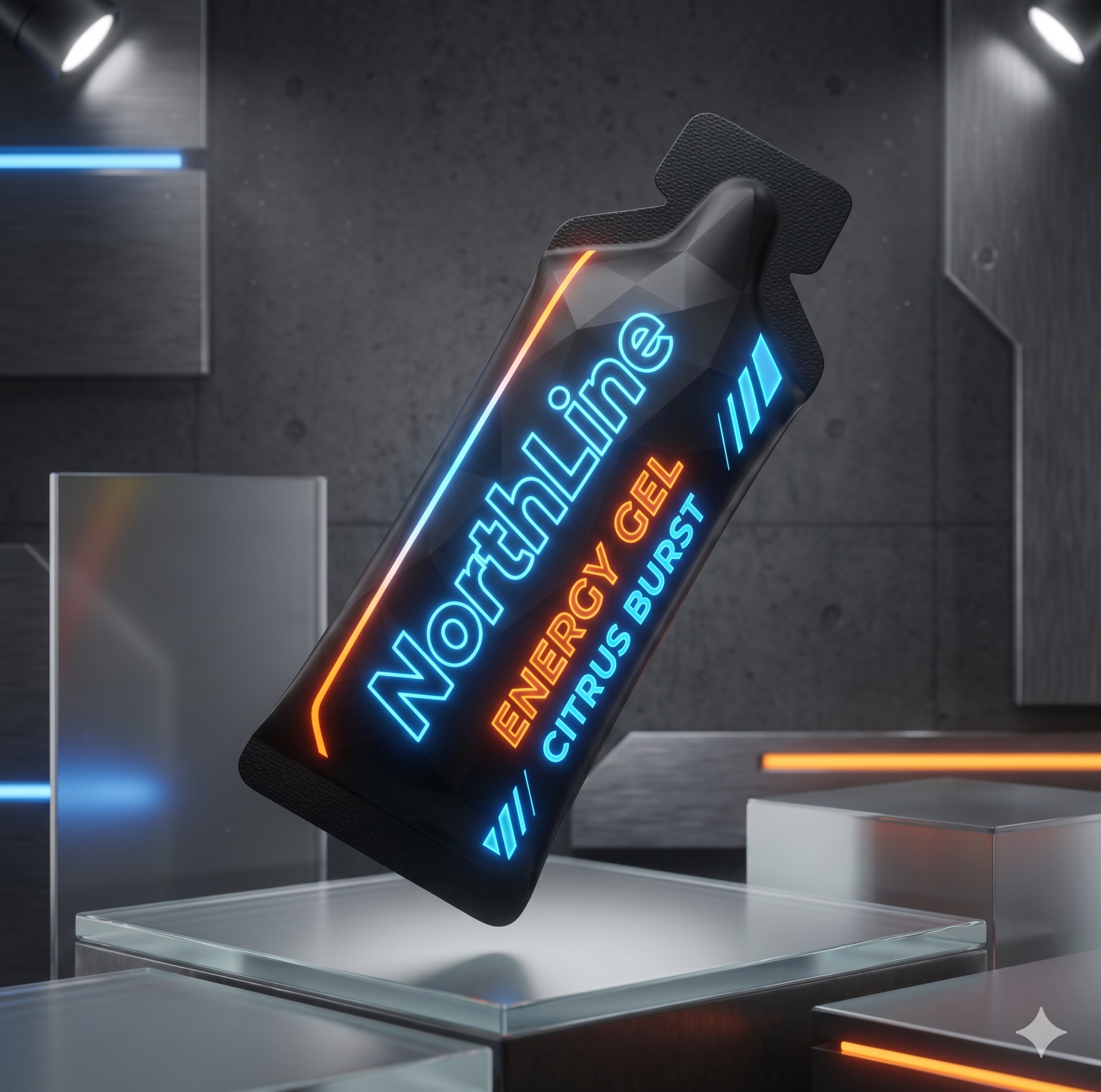
The half marathon is the most popular race distance in the world, yet it remains one of the most poorly paced. Data from over 1.2 million half marathon finishes analysed by Strava in 2023 showed that 68% of runners ran their second half slower than their first — and the average positive split was 4.7%. That translates to approximately 3-5 minutes of avoidable time loss for a 1:45 finisher. The half marathon is uniquely challenging because it sits above the lactate threshold for most recreational runners: fast enough to generate significant metabolic stress, yet long enough (90-150 minutes for most) to demand disciplined fueling and pacing.
This guide provides an evidence-based execution framework covering pacing, fueling, and mental strategy — the three pillars that determine whether your half marathon reflects your fitness or falls short of it.
Pacing Strategy: The First Kilometre Is the Most Important
The single biggest mistake in half marathon racing is going out too fast in the first 3 km. Race-start adrenaline, crowd energy, and the desire to "bank time" conspire to push athletes 10-20 seconds per kilometre faster than goal pace in the opening segment. This burns through glycogen stores 20-30% faster than planned and accumulates lactate that must be cleared later — leading to the dreaded "death march" in kilometres 16-21.
The optimal strategy is to run the first kilometre 5-10 seconds per km slower than goal pace, settle into exact goal pace by kilometre 3, and aim for a slight negative split in the final 5 km. A 2019 study in the International Journal of Sports Physiology and Performance found that even-split or slight negative-split runners finished 2.3% faster on average than positive-split runners with identical fitness profiles.
- Kilometres 1-3: 5-10 sec/km below goal pace. Find your rhythm. Resist the crowd.
- Kilometres 4-15: Exact goal pace. Settle in, relax the shoulders, maintain cadence.
- Kilometres 16-18: Evaluate. If you feel controlled, maintain pace. If struggling, hold steady — do not accelerate yet.
- Kilometres 19-21: Push to 3-5 sec/km faster than goal pace if your body allows. This is where you make up the seconds banked in the conservative start.
Fueling: Yes, You Need Gels for a Half Marathon
A common misconception is that the half marathon is short enough to race on glycogen alone. For runners finishing under 75 minutes, this may be true. But for the vast majority (90-150 minute finishers), glycogen stores are depleted by 60-70% by the finish. Studies show that carbohydrate intake during a half marathon improves performance by 1.5-3% — enough to shave 2-4 minutes off a 1:45 finish.
The practical protocol is simple:
- First gel: At 35-40 minutes (approximately 7-8 km). Take with 150 ml of water from an aid station.
- Second gel: At 65-75 minutes (approximately 13-15 km) if your expected finish time is over 90 minutes.
- Use a gel you have practised with in training — never try new products on race day.
- Choose a gel with 20-25 g of carbohydrate and some sodium (200-300 mg) for absorption support.
Mental Checkpoints: Dividing the Race Into Manageable Segments
Thinking about 21.1 km as a single effort is mentally overwhelming. Break the race into four segments with specific mental cues:
- 0-5 km: "Patience." Focus exclusively on restraining pace and settling rhythm. Monitor breathing — you should be able to speak in short sentences.
- 5-10 km: "Smooth." Concentrate on running form — relaxed hands, forward lean from the ankles, 170-180 steps per minute cadence.
- 10-16 km: "Steady." This is the mental dead zone where the finish feels far and the novelty has worn off. Engage with your surroundings, count aid stations, focus on reaching 16 km.
- 16-21 km: "Strong." Only 5 km left — a distance you could run on your worst day. This is where you race. Draw on everything you trained for.
Weather Adjustments
Heat is the single largest external variable in half marathon performance. For every 5 degrees C increase in temperature above 15 degrees C, expect to add 1-2 minutes to your finish time. At 25 degrees C, cardiac drift increases heart rate by 10-15 bpm at the same pace, and perceived effort rises significantly. Adjust goal pace by 5-10 sec/km in warm conditions and increase fluid intake at every aid station.
In cold conditions (below 5 degrees C), the risk is overdressing. Dress for 10 degrees C warmer than the air temperature at the start. You will warm up within 10 minutes. Overdressing causes overheating and excessive fluid loss despite the cold air.
Putting It All Together
Race-day execution is a skill, not a talent. Practise your pacing strategy in at least two long training runs at goal pace. Practise taking gels at race pace. Rehearse your mental checkpoint phrases until they are automatic. For a more detailed approach to pacing longer races, see our guide on marathon pacing strategy — many of the same principles apply to the half, scaled down. Build your personalised half marathon fueling plan with the Race Day Nutrition Planner.