Heat acclimation — the systematic exposure to exercise in hot conditions to trigger physiological adaptations — is one of the most effective legal performance interventions in sport. A properly executed heat acclimation protocol reduces core temperature at a given intensity by 0.3-0.5°C, lowers heart rate by 10-15 bpm, increases plasma volume by 8-12%, and improves sweat onset — collectively producing a 5-8% improvement in endurance performance in the heat. Yet the vast majority of published protocols were developed using male-only research cohorts, and female athletes face distinct physiological challenges that demand a modified approach.
The primary differences centre on the menstrual cycle. Progesterone — elevated during the luteal phase (days 15-28 of a typical cycle) — raises resting core temperature by approximately 0.3-0.5°C, narrows the margin between baseline and the critical core temperature of 39.5°C, and impairs sweating efficiency. Oestrogen, dominant during the follicular phase (days 1-14), has thermoprotective effects: it enhances vasodilation, lowers the sweating threshold, and expands plasma volume. These hormonal fluctuations mean that heat acclimation sessions produce different physiological stress depending on cycle phase — a variable that male-derived protocols ignore entirely.
Female-Specific Heat Adaptations
Understanding how female thermoregulation differs from male thermoregulation is essential for designing an effective protocol:
- Sweating patterns: Female athletes generally have lower sweat rates (0.4-1.2 L/hr vs 0.6-2.0 L/hr in males) but higher sweat onset thresholds. Women rely more heavily on cutaneous vasodilation (blood flow to the skin) for heat dissipation than evaporative cooling through sweat
- Core temperature thresholds: Female athletes tolerate slightly higher absolute core temperatures before performance declines, but the margin between resting core temperature in the luteal phase and the critical 39.5°C limit is narrower — approximately 1.5°C vs 2.0°C in men
- Plasma volume: Oestrogen promotes fluid retention and plasma volume expansion. During the follicular phase, plasma volume is naturally 3-5% higher than in the luteal phase, making follicular-phase heat training more effective for driving further plasma volume expansion
- Sodium losses: Sweat sodium concentration is generally similar between sexes (500-1,200 mg/L), but total sodium losses are lower in women due to lower sweat volume. Electrolyte replacement strategies can be slightly less aggressive — 300-600 mg sodium per hour during heat training
Timing the Protocol with the Menstrual Cycle
The optimal window to begin a heat acclimation protocol is the mid-to-late follicular phase (days 7-14). This timing exploits oestrogen's thermoprotective effects to maximise training quality and adaptation rate:
- Days 7-14 (late follicular): Ideal start window. Lower resting core temperature provides the widest margin for heat stress, oestrogen supports plasma volume expansion, and sweat responses are most responsive to training
- Days 1-6 (early follicular/menstruation): Acceptable but not optimal. Iron losses from menstruation may temporarily reduce haemoglobin, slightly impairing oxygen transport. If starting here, ensure iron intake of 18-25 mg/day
- Days 15-28 (luteal phase): Avoid starting a new heat acclimation block during the luteal phase. Elevated progesterone raises resting core temperature by 0.3-0.5°C, reducing the tolerable heat stress window and increasing perceived exertion at the same workload. If your competition falls in the luteal phase, complete acclimation in the preceding follicular phase — adaptations persist for 2-3 weeks
Athletes using hormonal contraceptives have stable hormone levels throughout the cycle, eliminating the follicular/luteal distinction. These athletes can start the protocol at any point but should be aware that some contraceptives slightly impair thermoregulation compared to the natural follicular phase.
The 10-14 Day Protocol
The following protocol uses a progressive heat exposure model. Sessions increase in duration and intensity across the 10-14 day window:
- Days 1-3: 45-60 minutes of easy exercise (zone 1-2) in heat (30-35°C, 40-60% humidity). Target heart rate: 60-65% of max HR. This initial phase triggers the earliest adaptations — plasma volume expansion begins within 3-5 days
- Days 4-7: 60-75 minutes at moderate intensity (zone 2-3). Include 15-20 minutes of tempo-pace effort within the session. Core temperature should reach 38.5-39.0°C during the harder efforts. Sweating onset should noticeably decrease by day 5-6
- Days 8-10: 60-90 minutes including race-specific intensity. For runners: include 20-30 minutes at goal race pace. For cyclists: include 20 minutes at 85-90% FTP. The final days consolidate adaptations under realistic race-intensity stress
- Days 11-14 (optional extension): For athletes targeting extreme heat (35°C+) or events longer than 4 hours, extend with 2-4 additional sessions at race-specific intensity. Each extra day produces diminishing but still measurable gains
If outdoor heat is unavailable, overdressing in warm indoor environments or using a sauna post-exercise (15-20 minutes at 80-90°C) provides approximately 70-80% of the adaptation stimulus compared to exercising in actual heat.
Hydration and Cooling During the Protocol
Hydration during heat acclimation sessions must balance two competing goals: maintaining safety (preventing dangerous dehydration) while allowing sufficient thermal stress to drive adaptation. Drinking to completely prevent dehydration blunts the stimulus — a mild deficit of 1-2% body weight during sessions is acceptable and even beneficial for driving plasma volume expansion:
- Fluid intake: 400-600 ml per hour of sodium-containing fluid (300-500 mg sodium per 500 ml). Avoid plain water — sodium maintains osmotic drive and prevents hyponatremia during extended heat sessions
- Pre-cooling: Do not use pre-cooling strategies (ice vests, cold water immersion) during acclimation sessions — the goal is to reach a high core temperature, not prevent it
- Post-session cooling: After each session, cool down with cold water immersion (10-15°C for 10-15 minutes) or cold towels. This accelerates recovery without interfering with the adaptation signal, which has already been delivered during the session
Monitor body weight before and after each session. Losses exceeding 3% of body weight indicate inadequate fluid intake and increase the risk of heat illness. Adjust intake upward the following day.
Expected Adaptations and Performance Gains
After 10-14 days of consistent heat exposure, female athletes can expect the following measurable adaptations:
- Plasma volume expansion: 8-12% increase, improving cardiac output and reducing cardiovascular strain at the same intensity
- Reduced core temperature: 0.3-0.5°C lower resting and exercising core temperature at the same workload
- Heart rate reduction: 10-15 bpm lower at the same exercise intensity, indicating reduced cardiovascular strain
- Improved sweating: Earlier sweat onset by 0.2-0.3°C of core temperature and 10-15% higher sweat rate, improving evaporative cooling capacity
- Performance improvement: 5-8% improvement in time-trial performance in the heat compared to pre-acclimation — equivalent to several minutes in a marathon or triathlon
These adaptations decay gradually over 2-3 weeks without heat exposure. A single weekly maintenance session (45-60 minutes at moderate intensity in heat) preserves approximately 80% of the adaptation for up to 4 weeks. Plan your acclimation block to finish 3-7 days before competition.
Fueling and Recovery Across the Protocol
Heat acclimation increases daily caloric expenditure by 10-15% above normal training, primarily through elevated metabolic rate and increased sweat losses. Increase carbohydrate intake by 0.5-1.0 g/kg/day during the protocol to support glycogen demands. Iron-rich foods are particularly important for female athletes — the combination of menstrual losses, haemolysis from running, and sweat iron losses creates a higher iron demand that can limit adaptation if unaddressed.
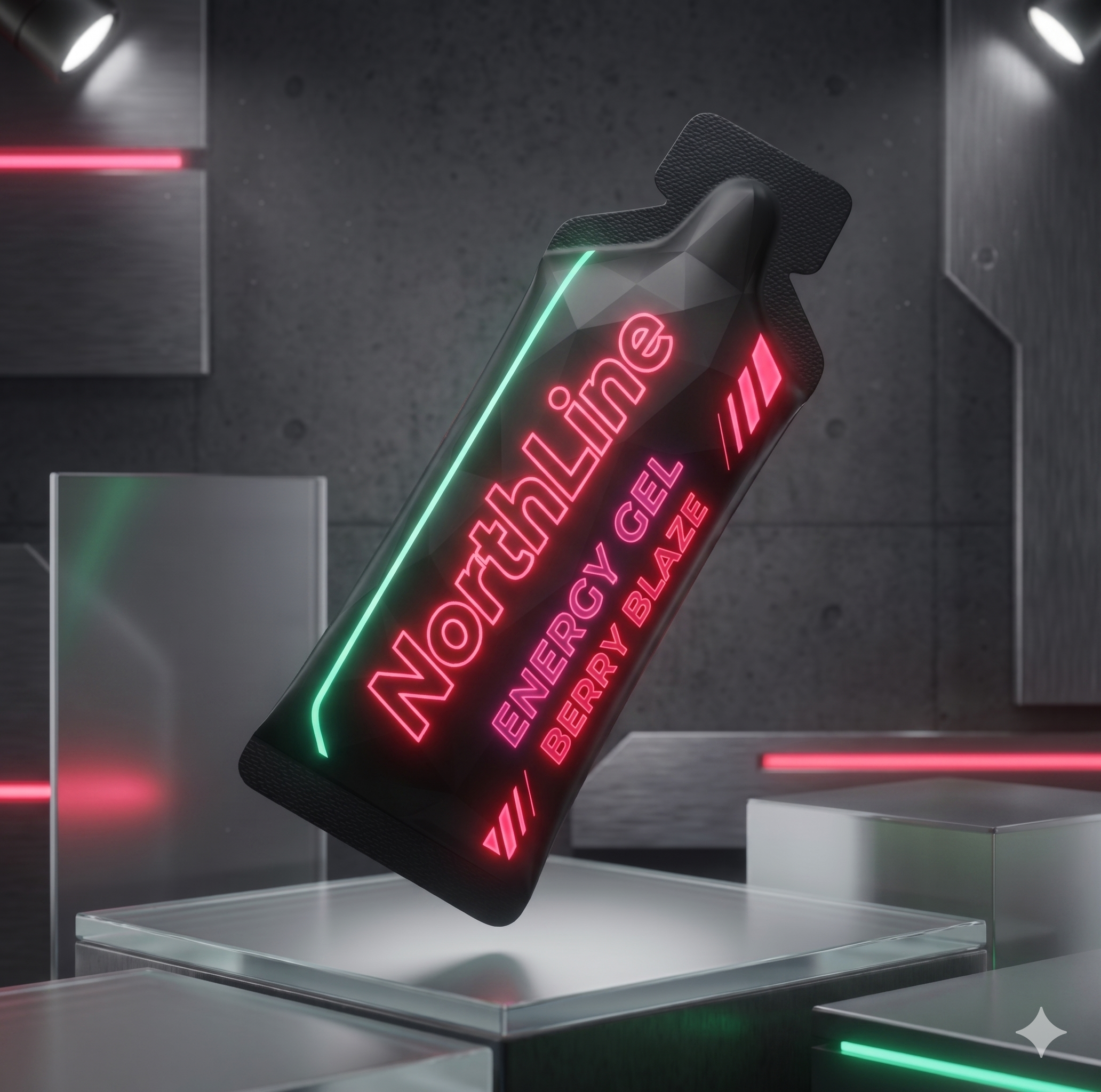
NorthLine Berry energy gels provide 22g of fast-acting carbohydrates per gel — take one 20-30 minutes before heat acclimation sessions exceeding 60 minutes and a second gel during sessions exceeding 90 minutes. The sodium content supports electrolyte balance during high-sweat-rate sessions. After each session, prioritise a sodium-rich recovery meal within 60 minutes to accelerate plasma volume restoration. For complete race-day planning in hot conditions, use the Race Day Nutrition Planner to calculate fluid, carbohydrate, and sodium targets adjusted for heat.