Sleep is the single most powerful recovery tool available to endurance athletes — and it costs nothing. During deep (N3) sleep, growth hormone secretion peaks, muscle protein synthesis accelerates, and the glymphatic system clears metabolic waste from the brain. During REM sleep, the motor cortex consolidates movement patterns learned during training. Cut either phase short and recovery slows, reaction time worsens, and injury risk climbs.
A landmark study from the British Journal of Sports Medicine followed 160 adolescent athletes and found that those sleeping fewer than 8 hours per night were 1.7 times more likely to sustain an injury than those sleeping 8 or more hours. In adult endurance athletes, sleep restriction to 6 hours per night for just 4 nights reduces time-to-exhaustion by 11% and increases perceived exertion at identical workloads. The evidence is unambiguous: sleep is not a luxury — it is a performance variable.
Understanding Sleep Architecture
A normal night's sleep consists of 4–6 cycles, each lasting approximately 90 minutes. Each cycle moves through light sleep (N1, N2), deep sleep (N3), and REM sleep. The distribution is not equal: deep sleep dominates the first half of the night, while REM sleep dominates the second half.
For athletes, this has practical implications. If you go to bed late and wake at the same time, you disproportionately lose REM sleep — impairing motor learning and emotional regulation. If you set an early alarm that cuts your sleep short, you lose the REM-rich final cycles. Both scenarios compromise adaptation to training.
The 12 Sleep Hygiene Habits
These habits are ranked by impact based on sleep research in athletic populations:
- 1. Fix your wake time: The most important habit. Wake at the same time every day — including weekends. This anchors your circadian rhythm and stabilises sleep onset. Variability of more than 60 minutes in wake time is associated with poorer sleep quality and daytime fatigue.
- 2. Target 8–9 hours of sleep opportunity: Sleep opportunity means time in bed with lights off — not time asleep. Sleep efficiency (time asleep / time in bed) is typically 85–90%, so 8 hours in bed yields roughly 7 hours of actual sleep. During heavy training blocks, extend to 9 hours.
- 3. Dim lights 90 minutes before bed: Bright light — especially blue-spectrum light from screens — suppresses melatonin production by up to 50%. Dim overhead lights, switch devices to night mode, or wear blue-light blocking glasses after 8pm.
- 4. Cool your bedroom to 18–19°C (64–67°F): Core body temperature must drop 1–1.5°C to initiate sleep. A cool room accelerates this process. Athletes who train in the evening often have elevated core temperature at bedtime — a cool shower 60–90 minutes before bed can accelerate the cooling process.
- 5. Stop caffeine by 2pm: Caffeine has a half-life of 5–7 hours. A 200mg dose at 2pm still has 100mg circulating at 7–9pm — enough to delay sleep onset by 20–40 minutes and reduce deep sleep duration by 15–20%. See our caffeine performance guide for timing strategies.
- 6. Finish intense training 3+ hours before bed: High-intensity exercise raises core temperature, cortisol, and sympathetic nervous system activation. All three oppose sleep onset. Easy runs and yoga are fine in the evening, but save interval sessions and tempo runs for morning or midday.
- 7. Limit alcohol: Alcohol is a sedative but not a sleep aid. It suppresses REM sleep, increases nighttime awakenings, and impairs growth hormone release. Even 2 standard drinks reduce sleep quality significantly. During heavy training, minimise or eliminate alcohol.
- 8. Eat your last meal 2–3 hours before bed: A large meal close to bedtime diverts blood flow to digestion and raises core temperature. However, going to bed hungry also impairs sleep. A light, carbohydrate-rich snack (banana, small bowl of oats) 60–90 minutes before bed can promote serotonin production and aid sleep onset.
Advanced Sleep Strategies for Athletes
- 9. Strategic napping: A 20–30 minute nap between 1–3pm can restore alertness and supplement nighttime sleep debt without affecting evening sleep onset. Avoid napping after 3pm or for longer than 30 minutes — both can fragment nighttime sleep. See our napping strategy guide for protocols.
- 10. Sleep banking before races: Extending sleep to 9–10 hours per night for 5–7 days before a key race — sleep banking — has been shown to improve reaction time by 9%, sprint speed by 5%, and mood scores significantly. This is more practical than trying to sleep well the night before a race, when pre-race anxiety often prevents it.
- 11. Magnesium supplementation: Magnesium glycinate (200–400mg before bed) has modest evidence supporting improved sleep quality in athletes, particularly those with suboptimal dietary intake. It promotes GABA receptor activity, which facilitates relaxation. See our magnesium guide for dosing.
- 12. Sleep tracking with context: Wearable sleep trackers (Whoop, Garmin, Oura) provide useful trends but should not be taken as absolute values — they overestimate sleep duration by 10–20% and are poor at detecting wake periods. Track trends over weeks, not individual nights. Use HRV as a complementary readiness metric.
Sleep and Training Load Interaction
Sleep need increases with training load. An athlete in a 120km/week marathon build needs more sleep than during a 60km base phase — yet this is precisely when sleep is most often compromised by early alarm clocks for long runs, evening speed sessions, and the generalised sympathetic arousal of hard training. Build sleep into your periodisation plan just as you build recovery weeks: during peak training, prioritise 9 hours of sleep opportunity and protect it as fiercely as your key workouts.
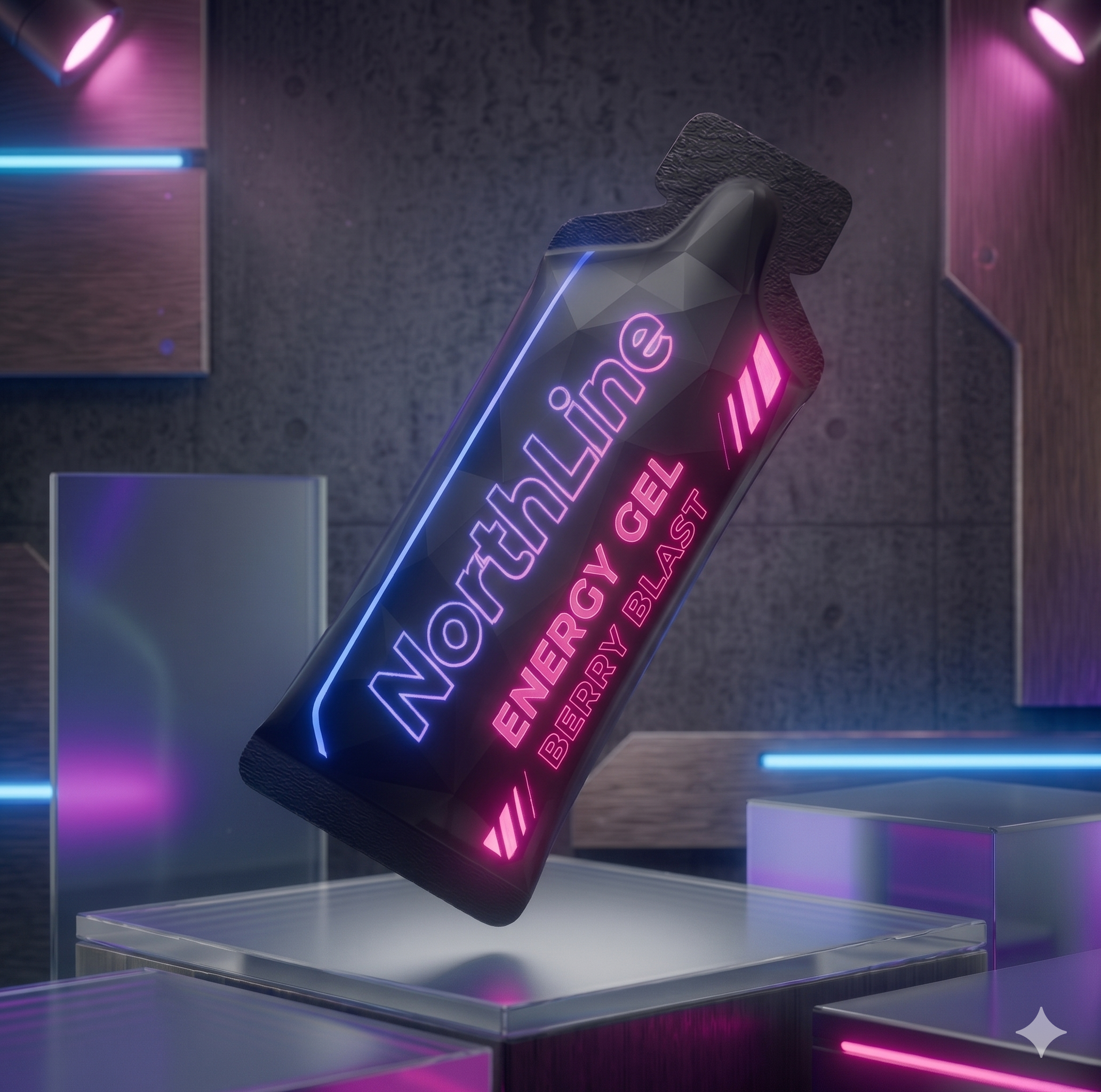
Your recovery nutrition also affects sleep quality. A NorthLine Recovery gel consumed within 30 minutes of your evening training provides the carbohydrate-protein combination that supports glycogen resynthesis and reduces the cortisol elevation that can delay sleep onset. Pair your post-workout nutrition with your sleep routine for compounding recovery benefits. Use the Race Day Nutrition Planner to align your fueling and sleep strategy during race week.