VO2max sessions — typically 3-5 minute intervals at 95-105% of maximal aerobic power — generate the largest acute training stimulus in endurance sport. They drive mitochondrial biogenesis, increase stroke volume, and expand the oxygen delivery ceiling that ultimately determines performance at threshold and above. But this potency comes with a cost: VO2max work creates substantial neuromuscular fatigue, cardiac stress, and metabolic disturbance that demands deliberate, well-timed recovery if the adaptation signal is to be captured rather than wasted.
The paradox of VO2max training is that the adaptation occurs during recovery, not during the session itself. An athlete who performs two high-quality VO2max sessions per week with 72 hours of recovery between them will out-adapt an athlete who crams three poorly recovered sessions into the same week. Research from the Norwegian School of Sport Sciences shows that the supercompensation window for aerobic capacity peaks 48-72 hours after a VO2max stimulus — training too soon blunts the adaptation, while training too late misses the elevated readiness window.
Minimum Recovery Interval: 48-72 Hours
The acute physiological disruption from a VO2max session follows a predictable timeline:
- 0-6 hours post-session: Elevated cortisol (40-80% above baseline), depleted muscle glycogen (30-50% reduction), elevated blood lactate clearance, and suppressed parasympathetic nervous system activity. HRV is typically 15-25% below morning baseline
- 6-24 hours: Inflammatory markers (IL-6, CRP) peak and begin to decline. Muscle protein synthesis is elevated by 50-100% — this is the primary repair window. Glycogen resynthesis is 80-90% complete if carbohydrate intake is adequate (8-10g/kg/day)
- 24-48 hours: Neuromuscular function returns to approximately 90% of baseline. HRV recovers to within 5-10% of normal. The athlete feels ready for easy running but is not yet prepared for another high-intensity stimulus
- 48-72 hours: Full recovery and the beginning of supercompensation. Mitochondrial density, capillary proliferation, and cardiac adaptations are being consolidated. This is the optimal window for the next VO2max session
Scheduling two VO2max sessions per week with 72 hours between them (e.g., Tuesday and Friday) is the most evidence-supported frequency for athletes in a build phase. For runners handling 60-80km per week, this typically means VO2max work on Tuesday and Saturday with easy or rest days surrounding each session.
Acute Recovery Protocols: The First 60 Minutes
What you do in the first 60 minutes after a VO2max session sets the trajectory for the next 48 hours of recovery. The acute protocol is non-negotiable for athletes seeking maximal adaptation:
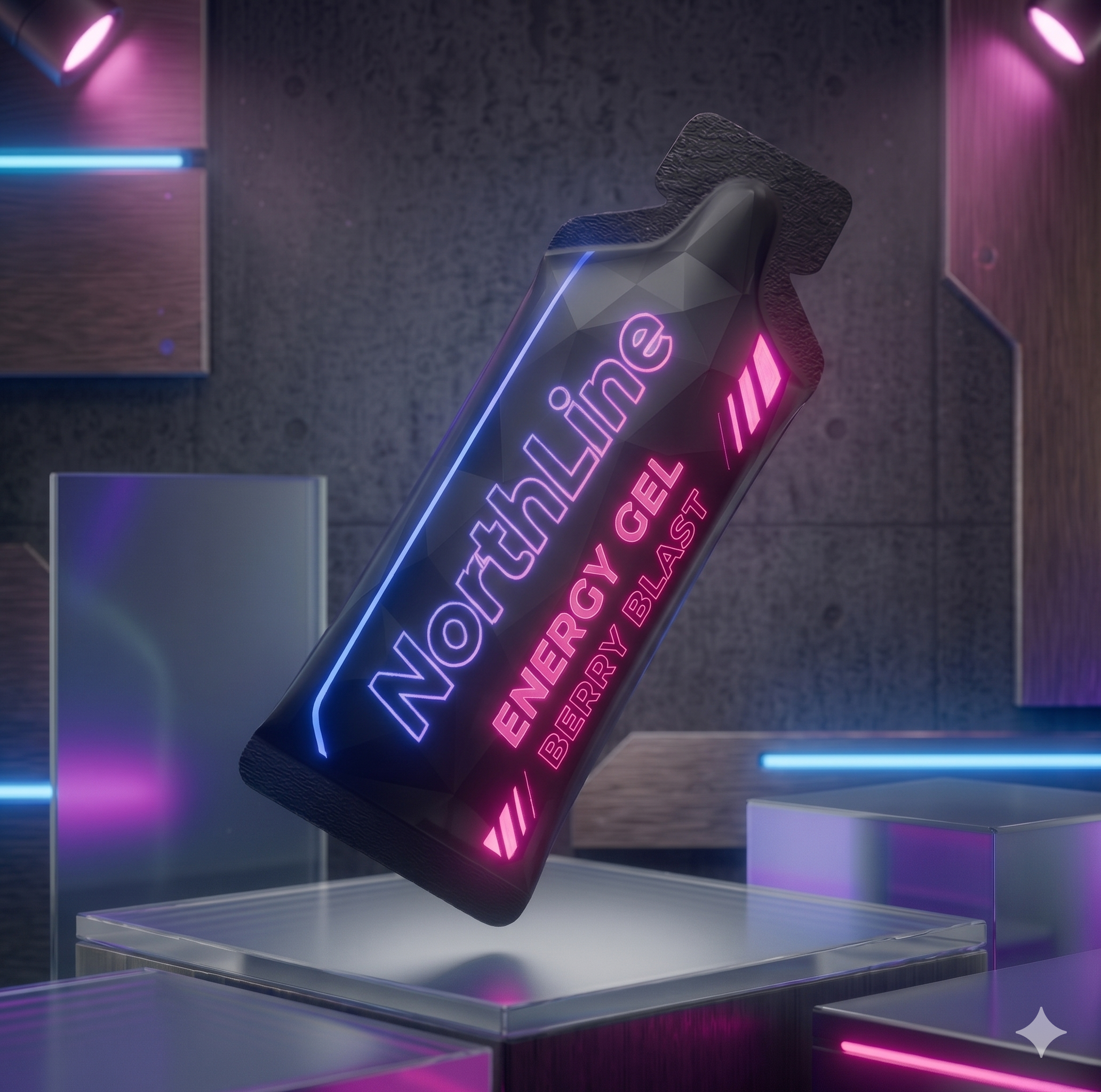
- Nutrition within 30 minutes: Consume 1.0-1.2g/kg of carbohydrate plus 0.3-0.4g/kg of protein. For a 70kg athlete, this is 70-84g of carbohydrate and 21-28g of protein. A recovery shake, a NorthLine recovery gel paired with a protein source, or a balanced meal all work — the key is speed and macronutrient ratio
- Rehydration: Drink 1.5x the fluid lost during the session. Weigh yourself pre- and post-session to calculate losses. Include 300-500mg of sodium per 500ml to maximise fluid retention
- Cool-down: 10-15 minutes of easy jogging or walking at under 65% of max heart rate. This accelerates lactate clearance by 25-40% compared to passive rest and gradually reduces cardiac output without the sudden hypotensive response of stopping abruptly
Sleep: The Non-Negotiable Recovery Variable
Sleep quality is the single largest determinant of recovery between VO2max sessions. During deep sleep (slow-wave sleep), growth hormone secretion peaks — accounting for 70-80% of daily GH output — driving tissue repair, glycogen resynthesis, and neural recovery. Athletes sleeping under 7 hours show a 20-30% reduction in the adaptive response to identical training stimuli compared to those sleeping 8+ hours:
- Target: 8-9 hours of total sleep on nights following VO2max sessions. Extend sleep by going to bed 30-45 minutes earlier rather than sleeping in, which disrupts circadian rhythm
- Room temperature: 18-19°C for optimal deep sleep duration. Every degree above 20°C reduces slow-wave sleep by approximately 3-5%
- Avoid screens 60 minutes before bed: Blue light suppresses melatonin onset by 30-90 minutes, delaying sleep onset and reducing deep sleep in the first cycle
- Post-session timing: Avoid VO2max sessions within 3 hours of bedtime. The elevated core temperature, cortisol, and sympathetic nervous system activation from high-intensity work delays sleep onset by 20-40 minutes on average
HRV-Guided Readiness Assessment
Heart rate variability (HRV) provides the most objective, daily readiness assessment for determining when to schedule the next VO2max session. The rMSSD metric (root mean square of successive R-R interval differences) measured each morning upon waking gives a reliable snapshot of parasympathetic recovery:
- HRV within your normal range (within 1 SD of 7-day average): You are recovered. The next VO2max session can proceed as planned
- HRV suppressed by 10-15% below baseline for 1 day: Normal post-VO2max response. Keep the day easy — zone 1-2 running only
- HRV suppressed for 2+ consecutive days: Incomplete recovery. Push the next VO2max session back by 24 hours and add an extra easy day
- HRV elevated 10%+ above baseline: Strong parasympathetic rebound indicating excellent readiness. This is an ideal day for your next high-intensity session, even if it comes at 48 hours rather than 72
Use a 7-day rolling average rather than single-day readings to account for daily noise. A coefficient of variation (CV) above 10% in your HRV readings suggests lifestyle factors (alcohol, irregular sleep, stress) are adding recovery interference — address these before adjusting training.
When to Add a Third VO2max Session Per Week
For most athletes, two VO2max sessions per week is optimal during a 6-8 week build block. A third session becomes viable only when specific conditions are met:
- HRV consistently recovers within 48 hours after VO2max work (indicating the current load is well-tolerated)
- Weekly volume is at or above 70km (running) or 12+ hours (multisport) — a high aerobic base supports faster recovery between high-intensity sessions
- The third session is lower volume: Reduce interval duration or total work by 30-40% compared to the other two sessions. Three sets of 4x3min at VO2max is manageable where three sets of 5x5min is likely excessive
- Sleep is consistently 8+ hours and no other major stressors (work, travel, illness) are present
If adding a third session, distribute them Monday-Wednesday-Friday or Tuesday-Thursday-Saturday with exactly 48 hours between each. Monitor HRV closely for the first 2-3 weeks — if recovery markers deteriorate, return to two sessions immediately.
Deload Frequency and Timing
Accumulated fatigue from repeated VO2max blocks requires periodic deloading. The standard protocol is a deload week every 3-4 weeks during a build phase:
- Volume reduction: Cut total weekly training volume by 40-50% during the deload week
- Intensity maintenance: Keep one short VO2max session (50% of normal volume) to maintain neuromuscular patterns and cardiac stimulus, but eliminate the second session entirely
- Sleep focus: Prioritise 9+ hours during deload weeks. This is when the accumulated adaptation from the previous 3 weeks is consolidated
The deload is not wasted time — it is when supercompensation from the block is realised. Athletes who skip deloads show 15-20% less improvement in VO2max per training block compared to those who include them. After each VO2max session, support the recovery process with a NorthLine recovery gel (22g carbohydrates) consumed within 30 minutes, paired with a protein-rich meal. Track your readiness using HRV and the principles in our HRV training guide to time each session for maximum adaptation rather than guesswork.