Carbohydrate loading for triathlon is fundamentally different from loading for a marathon or a cycling time trial. In a single-sport event, you deplete one set of muscles through one movement pattern over a relatively predictable duration. In triathlon, you use different muscle groups across three disciplines, you face two transitions where eating is difficult, and the total race duration ranges from 75 minutes (sprint) to 17 hours (Ironman) — each demanding a different glycogen strategy. Getting the carb loading protocol wrong for triathlon means running out of fuel on the discipline that matters most: the run.
The science is clear: muscle glycogen is the primary fuel source at race-relevant intensities, and glycogen stores are finite. A 70kg athlete stores approximately 400–500g of glycogen in muscles and 80–100g in the liver — enough for roughly 90–120 minutes of moderate-to-high-intensity exercise. Proper carb loading increases these stores by 25–40%, providing a critical buffer that extends into the bike and run legs where most triathlon races are decided.
The 48-Hour Loading Protocol
Modern carb loading does not require the old 7-day depletion-supercompensation cycle. Research shows that 36–48 hours of high carbohydrate intake combined with training taper produces equivalent glycogen supercompensation. The target is 10–12g of carbohydrate per kilogram of body weight per day for the final 48 hours before race morning:
- 70kg athlete: 700–840g of carbohydrate per day for 2 days
- 60kg athlete: 600–720g of carbohydrate per day for 2 days
- Practical sources: White rice (45g per cup cooked), pasta (43g per cup), bread (25g per slice), bananas (27g each), sports drinks (30–60g per 500ml), pancakes (22g each)
Choose low-fibre, low-fat carbohydrate sources to minimise GI discomfort and maximise absorption. This is not the time for whole grains, beans, or large salads. Reduce protein and fat intake to make caloric room for carbohydrates — a temporary shift that won't affect performance.
Race Morning: 3 Hours Before the Gun
Eat a race-morning meal 3 hours before the swim start containing 1–3g of carbohydrate per kilogram of body weight. For a 70kg athlete, that's 70–210g of carbs — equivalent to a large bowl of white rice with honey plus a banana and a sports drink. This tops off liver glycogen (which depletes overnight during sleep) and ensures blood glucose is stable at race start.
Avoid high-fat or high-fibre foods that slow gastric emptying. Stick to foods you've tested in training. Sip 400–500ml of fluid with electrolytes in the 2 hours before the start to ensure hydration without overloading the bladder. Stop eating 60–90 minutes before the swim to allow gastric emptying — food in the stomach during the swim increases nausea risk in the prone position.
Sprint and Olympic Distance Fueling
For sprint triathlon (75–90 minutes), glycogen stores from proper loading plus the race-morning meal are sufficient. No mid-race fueling is strictly necessary, but a single gel on the bike (15–20 minutes into the ride) provides an extra 22g of fast carbohydrates that can improve late-run performance. Drink 200–400ml of electrolyte fluid on the bike.
For Olympic distance (2–3 hours), mid-race fueling becomes important. Target 40–60g of carbohydrate per hour on the bike from the 30-minute mark. A combination of sports drink (sipped continuously) and one gel per 30–40 minutes achieves this target. Take your final bike gel 10–15 minutes before T2 so it absorbs before you start running. On the run, a single gel at 3–4km into the 10K is sufficient for most athletes.
Half Ironman (70.3) and Ironman Fueling
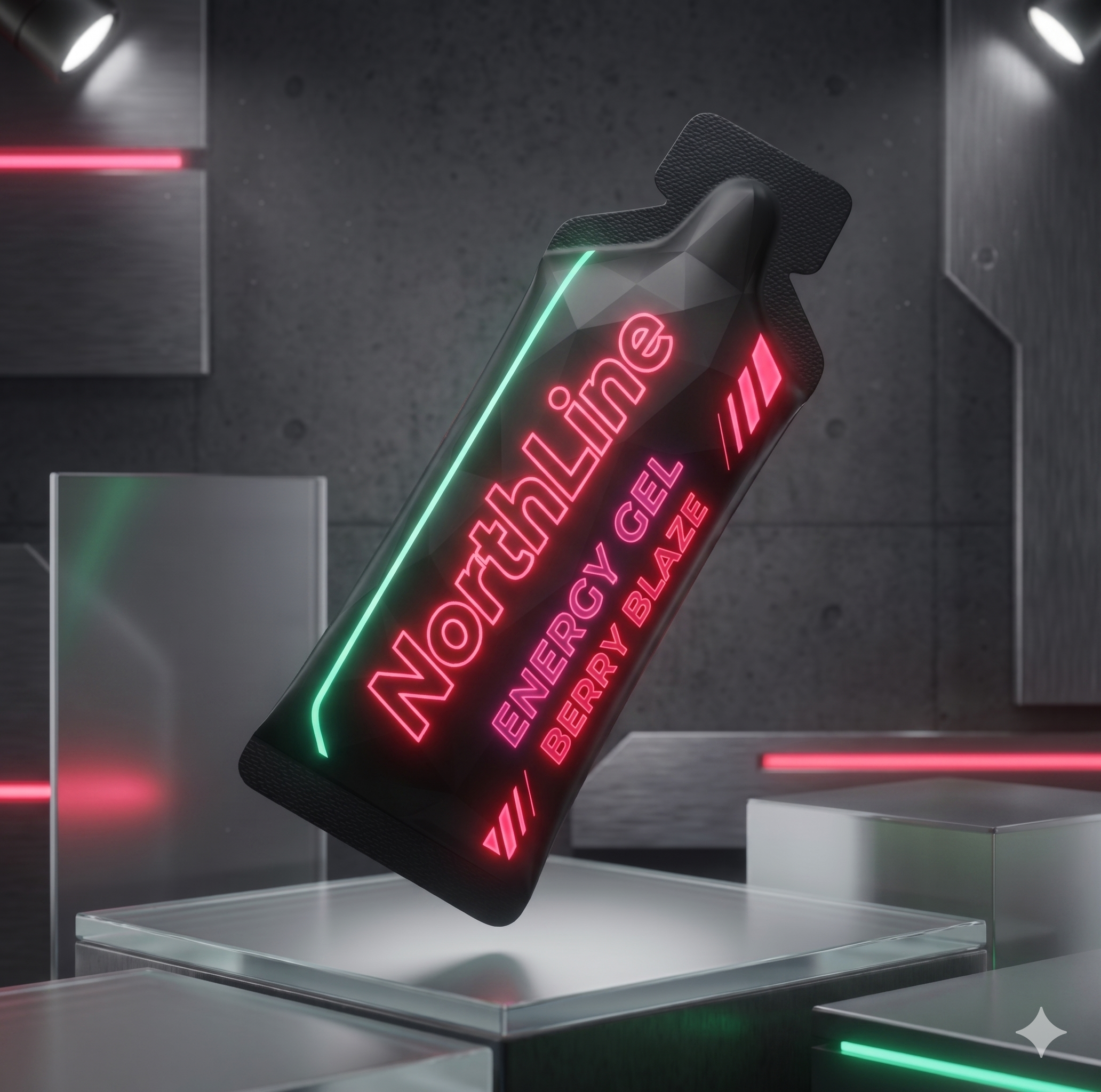
At 70.3 distance (4–7 hours), the bike leg is your primary fueling window. Target 60–80g of carbohydrate per hour on the bike, increasing from 60g/hr in the first hour to 80g/hr in the final hour. Use the dual-transporter approach (glucose + fructose) to maximise gut absorption. A practical protocol: 750ml of carbohydrate sports drink per hour plus a NorthLine gel every 40 minutes.
At full Ironman distance (8–17 hours), the fueling strategy shifts toward sustainability. Target 60–90g of carbohydrate per hour on the bike, using a mix of liquid calories, gels, and solid food (energy bars, rice cakes). The run leg requires continued fueling: 30–60g per hour from gels and cola at aid stations. The key Ironman nutrition principle: eat early and consistently. By the time you feel hungry on the marathon, you are already in glycogen deficit.
Common Triathlon Carb Loading Mistakes
The most frequent errors in triathlon nutrition planning:
- Under-loading: Many athletes eat "a bit more pasta" instead of hitting the 10–12g/kg target. Track grams precisely for the 48-hour loading phase
- Fibre overload: Switching to large portions of wholegrains during loading creates GI issues on race day. Use refined carbohydrates during the load
- Skipping bike fueling in sprint/Olympic: Even if you can finish without eating, a gel on the bike measurably improves run-leg performance
- Too much solid food on the Ironman bike: Solid food is fine in the first 3 hours, but transition to liquids and gels in the final 90 minutes to ensure gastric emptying before T2
- New products on race day: Your gut needs 6–8 sessions of practice with your race nutrition. Train with it or risk GI disaster
Build your complete race-day nutrition plan using the Race Day Nutrition Planner — input your race distance, target finish time, and body weight for a minute-by-minute fueling schedule. NorthLine gels are formulated with the 2:1 glucose-to-fructose ratio that enables 90g/hr carbohydrate absorption, and their 22g serving size makes dose tracking simple. For the broader triathlon nutrition picture including pre-race week meals, see our complete triathlon nutrition guide.