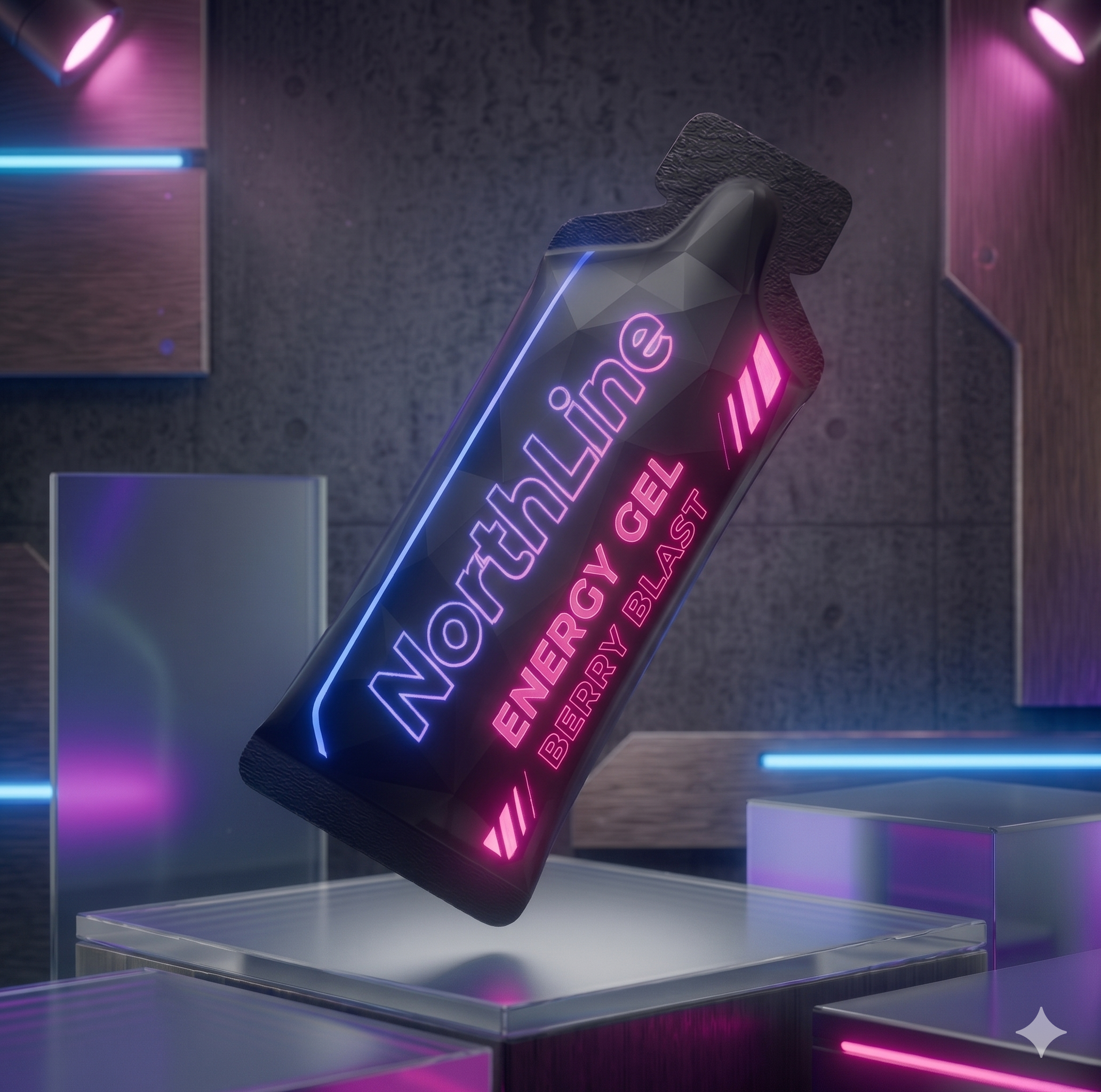
Fueling a triathlon is a different problem from fueling a marathon or a long bike ride. You cross three disciplines with different body positions, different gut tolerances, and different intensities — and you need to plan nutrition for all three, plus the transitions between them. Get it wrong on the bike and the run becomes a survival exercise. Here's the framework.
Energy Demands by Distance
- Sprint triathlon (750m / 20km / 5km): 45–75 minutes. Mostly glycolytic. Limited fueling window — typically 1 gel maximum.
- Olympic distance (1.5km / 40km / 10km): 1.5–3 hours. Fueling from the bike leg is important. 2–3 gels during bike; possibly 1 gel on run.
- 70.3 (1.9km / 90km / 21.1km): 3.5–6 hours. Full fueling strategy required from early in the bike. 4–6 gels or equivalent; 1–2 on run.
- Ironman (3.8km / 180km / 42.2km): 8–17+ hours. The most complex nutrition problem in endurance sport. 8,000–12,000+ kcal total expenditure; replacing 30–40% during the race is necessary to finish strong.
The Swim — Why You Can't Fuel It
No fueling is possible during the swim. For most triathletes, the swim represents 10–20% of total race time but requires no in-race nutrition because:
- Swallowing while swimming is difficult and GI-distressing
- Glycogen depletion during the swim is modest for all but elite swimmers
- The swim intensity is typically moderate-to-high but short enough that pre-race fueling is sufficient
Pre-race nutrition matters here: The meal eaten 2–3 hours before race start is your swim fuel. A 200–400g carbohydrate pre-race meal (rice, pasta, oats) ensures you start the bike with full glycogen stores. Don't skip breakfast because of nerves — you'll pay for it on the run.
Some athletes consume a small carbohydrate top-up immediately before entering the water (1 gel, 15–20 minutes before start) for longer events. For sprints and Olympics, this is unnecessary.
T1 — The First Transition
T1 is an underutilised fueling opportunity. If you have a gel taped to your bike or in your jersey pocket, consuming it in the first 2–3 minutes of the bike is easier than eating while swimming and ensures immediate carbohydrate delivery before effort increases. This is standard practice for 70.3 and Ironman.
The Bike — Your Primary Fueling Window
The bike leg is where the majority of your nutrition for the entire race must be consumed. Reasons:
- The seated position allows higher carbohydrate intake than running (reduced GI stress from absence of vertical impact)
- Hands are free — you can eat solid food, operate bottles, and consume gels more easily than on the run
- The bike is the longest leg by time — the most opportunity for fueling
- What you consume on the bike determines your run performance — underfueling on the bike creates a deficit that cannot be recovered on the run
Carbohydrate target on the bike: 60–90g per hour for Olympic and above. For Ironman, many experienced triathletes successfully consume 80–90g/hour on the bike using dual-source carbohydrates (glucose + fructose). Start fueling within 20–30 minutes of beginning the bike leg — don't wait until you're hungry.
Hydration on the bike: 500–750ml per hour in temperate conditions; up to 1L/hour in heat. Include sodium in all fluids consumed on the bike.
T2 and the Run — The GI Challenge
The run leg presents the most difficult fueling environment in triathlon:
- Vertical impact stresses the gut — solid foods and high-carbohydrate concentrations become harder to tolerate
- Blood is redirected from the digestive system to working muscles
- After hours of sustained exercise, gut fatigue accumulates regardless of what you consumed earlier
Run fueling strategy:
- Sprint/Olympic run: 1 gel maximum, if any. Primarily supported by bike fueling.
- 70.3 run (21km): 2–3 gels, taken at 15–20 minute intervals. Cola available at aid stations is often better tolerated than gels in the final kilometres — the caffeine and simple sugars help; the liquid format is easier.
- Ironman marathon: Gels every 20–30 minutes in the first half. Cola, chicken broth, and watermelon in the second half as palate fatigue and GI tolerance reduce gel viability. The Ironman run is a survival nutrition exercise as much as a performance one.
Common Triathlon Nutrition Mistakes
- Front-loading on the swim: Eating a large meal 30–60 minutes before the swim. GI distress almost guaranteed.
- Waiting to feel hungry on the bike: Hunger means you're already depleted. Start fueling immediately.
- Too many different products: Race day is not the time to discover you don't tolerate the aid station gels. Practice with exactly what will be available, or carry everything you need.
- Neglecting sodium: Sweat sodium losses over an Ironman can exceed 4,000–6,000mg. Plain water and gels alone will not replace this.
- Over-eating on the bike: Exceeding 90g carbohydrates per hour creates GI backup — the gut simply cannot process it faster, and the excess ferments, causing cramping and bloating.
Planning Your Triathlon Nutrition
Use the NorthLine Triathlon Nutrition Calculator to build a race-specific fueling plan based on your target finish time, body weight, and event distance. The calculator generates per-hour carbohydrate targets for the bike and run legs, total gel count, hydration volumes, and a timeline you can follow from the gun to the finish line.