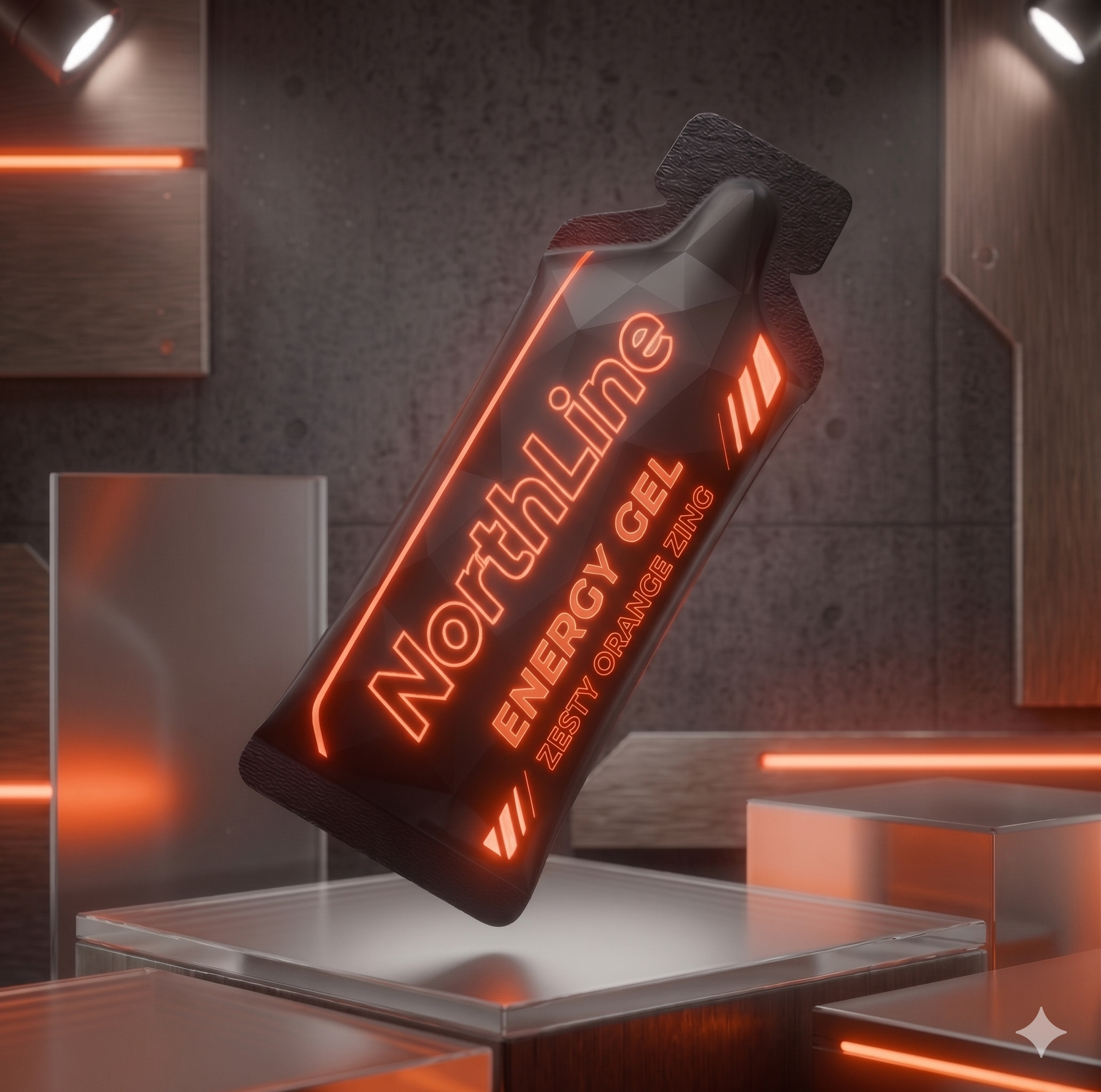
It's one of the most common questions among marathon runners: how many energy gels do I need for a marathon? Get it wrong and you risk hitting the wall at mile 20. Get it right and you'll cross the finish line still running strong. Here's the complete calculation.
The Short Answer
Most marathon runners need 4 to 7 energy gels during a race, depending on finish time, body weight, and intensity. A runner targeting 4 hours will generally need 5–6 gels. A sub-3-hour runner may only need 4.
How to Calculate Your Exact Number
The calculation starts with two key variables: your finish time (total hours on course) and your target carbohydrate intake per hour.
Current sports nutrition guidelines (ACSM, ISSN) recommend 60–90g of carbohydrate per hour during sustained endurance exercise. For a standard 22g gel, that works out to:
- 60g/hr target: ~2.7 gels per hour → 11 gels for a 4-hour marathon (too many for most stomachs)
- 45g/hr target: ~2 gels per hour → 8 gels for a 4-hour marathon
- 30g/hr target: ~1.4 gels per hour → 5–6 gels for a 4-hour marathon
In practice, most runners hit 45–60g/hr when combining gels with sports drinks from course aid stations. If you're also taking on carbohydrates from drinks, reduce your gel count accordingly.
Gel Schedule by Finish Time
Here's a practical starting guide based on common marathon finish times:
- Sub-3:00: 3–4 gels — take at 30 min, 60 min, 90 min, and optionally 120 min
- 3:00–3:30: 4–5 gels — every 35–40 minutes from 30 minutes in
- 3:30–4:00: 5–6 gels — every 30–35 minutes from 30 minutes in
- 4:00–4:30: 6–7 gels — every 30 minutes from 30 minutes in
- 4:30–5:00+: 7–8 gels — every 25–30 minutes from 30 minutes in
Start Early — Before You're Hungry
The single biggest mistake marathon runners make is waiting until they feel depleted before taking their first gel. By then, blood glucose has already dropped. Take your first gel at 30–45 minutes into the race, before your body signals hunger.
The glycogen depletion that causes the dreaded wall at mile 20 begins much earlier than most runners realise. Consistent fueling from the start keeps blood glucose stable and delays fatigue.
Always Take Gels with Water
This is non-negotiable. Gels are concentrated and require water for intestinal absorption. Without it, the carbohydrates draw fluid into the gut (osmosis), which can cause bloating, cramping, and GI distress. Always wash down each gel with 150–200ml of water — plan your gel timing around aid stations.
Practice in Training
Your gut is trainable. If you haven't practiced taking gels during long runs, don't experiment on race day. Practice your exact race-day fueling strategy — same brand, same flavour, same timing — on your 3–4 longest training runs before the event.
NorthLine Gold Standard Gels contain 22g of dual-source carbohydrates (glucose + fructose) in an easily digestible formula designed for race conditions. Use our Race Day Nutrition Planner to calculate your personalised gel schedule based on your distance, time, and weight.