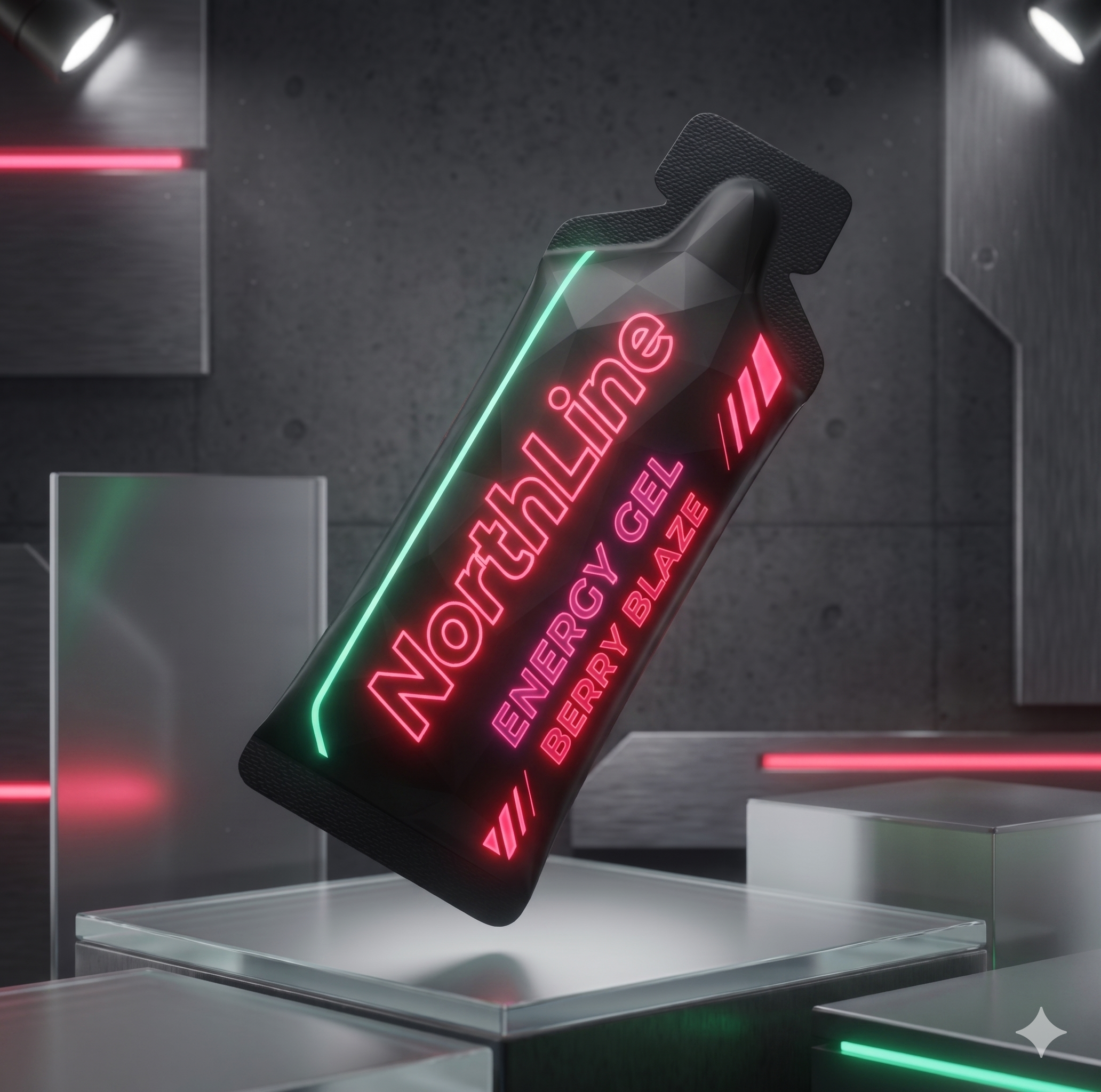
Walk into any running store and you'll find the shelves split between energy gels and energy bars. Both promise to fuel your performance. But they're engineered for different scenarios — and choosing the wrong one during a race can sabotage your performance. Here's a direct comparison.
The Core Difference: Absorption Speed
This is the most important distinction. Energy gels are designed to be absorbed rapidly — liquid consistency, simple sugars, minimal digestive burden. Most are absorbed within 15–30 minutes of ingestion. Energy bars contain solid food with fibre, fat, and protein, which slows digestion significantly. You might not feel the energy from a bar for 30–60 minutes.
During high-intensity exercise above 75% VO2max, blood flow is redirected away from the digestive system. This makes the lighter, simpler format of gels substantially easier to process on the move.
Energy Gels: Pros and Cons
Advantages:
- Fast-absorbing — glucose enters the bloodstream quickly
- Easy to consume while running or cycling at race pace
- Compact and light — easy to carry in a jersey pocket or race belt
- Minimal GI burden when taken with adequate water
- Consistent carbohydrate dose (typically 20–25g per packet)
Disadvantages:
- Sweet, concentrated flavour that can cause palate fatigue in long events
- Must always be taken with water
- No satiety — don't address hunger during ultra-distance events
- Not suitable as standalone fuel for multi-hour events without other nutrition
Energy Bars: Pros and Cons
Advantages:
- More satisfying — real food texture reduces appetite during long efforts
- Slower carbohydrate release provides sustained energy for low-intensity efforts
- Better palatability over 5+ hour events (ultras, Ironman, sportives)
- Often contain protein and fat for very long-duration fueling
Disadvantages:
- Slower absorption — not suitable for high-intensity fueling
- Harder to chew and swallow while running at pace
- Higher GI risk at race intensity due to fat and fibre content
- Bulkier to carry, difficult to open with cold or sweaty hands
The Right Tool for the Right Job
The answer to "gel vs bar" is really about event type and intensity:
- 5K / 10K: Neither required — you won't deplete glycogen in time
- Half Marathon: 1–2 gels. No bars needed.
- Marathon: Gels only. Bars too slow and too risky for GI distress at marathon effort.
- Ultra (50K–100K): Mix of gels for fast fuel + bars or real food during walk breaks and low-intensity sections
- Ironman / Long Sportive: Bars on the bike at low effort, gels on the run
Can You Use Both in the Same Race?
Yes — and for ultramarathons and Ironman-distance events, combining both is often the optimal strategy. Use gels at high-intensity moments and when running. Use bars during lower-intensity sections (hiking a climb, early bike legs) when your gut can handle solid food. The key is practicing this approach in training before race day.
What to Look for in an Energy Gel
Not all gels are created equal. Look for:
- Dual-source carbohydrates (glucose + fructose) to maximise absorption up to 90g/hr
- Sodium (at least 50mg) to support electrolyte balance and gut absorption
- Tested formula that you've used in training without GI issues
- Avoid high fructose corn syrup as the sole carb source — it absorbs slower and can cause cramping
NorthLine Gold Standard Gels use a 2:1 glucose-to-fructose ratio with 22g carbohydrates, 75mg sodium, and no artificial sweeteners — formulated to fuel without stomach issues. For more on the underlying science, see The Science Behind Energy Gels. For race-specific gel counts, see our guide to how many gels you need for a marathon.