You have just finished a hard interval session or a 90-minute long run. The temptation is overwhelming: stop your watch, walk inside, and collapse on the couch. But those first 10 minutes after exercise represent a critical transition window. Your heart rate is elevated, blood is pooled in working muscles, and metabolic byproducts are concentrated in tissue that was just under heavy load. How you manage this transition directly affects how you feel — and how you perform — 24 to 48 hours later.
Research from the Journal of Strength and Conditioning Research shows that a structured cool-down combining light jogging and static stretching reduces delayed-onset muscle soreness (DOMS) by up to 25% compared to an abrupt stop. It also accelerates lactate clearance by 20–30%, meaning your muscles return to a rested biochemical state faster. The cool-down is not optional — it is the bridge between your workout and your recovery.
The Physiology of Cooling Down
During intense exercise, your cardiovascular system redirects up to 85% of cardiac output to working muscles. Stopping abruptly causes blood to pool in the legs, dropping venous return and potentially causing dizziness or lightheadedness — what exercise physiologists call post-exercise hypotension. A gradual reduction in intensity allows the cardiovascular system to redistribute blood flow smoothly.
Additionally, the elevated muscle temperature after exercise is the ideal condition for static stretching. Warm muscle fibres are 20–30% more compliant than cold ones, meaning you can achieve greater range of motion gains during a post-run stretch than at any other time.
Phase 1: Active Cool-Down (5 Minutes)
Begin with 3–5 minutes of easy jogging or walking, gradually reducing your pace. Your heart rate should drop from its working level toward 100–120 bpm by the end of this phase. This active recovery phase achieves three things:
- Maintains the muscle pump action that assists venous blood return to the heart
- Facilitates lactate transport from muscles to the liver for reconversion to glucose
- Gradually reduces sympathetic nervous system activation, allowing the parasympathetic (rest-and-digest) system to begin its work
Phase 2: Static Stretching Protocol (7–10 Minutes)
Hold each stretch for 30–60 seconds. Breathe deeply and do not bounce. Target the major muscle groups used in running:
- Standing quad stretch: Pull heel to glute, keeping knees together and pelvis neutral. 30 seconds per leg. The quadriceps absorb 5–6 times body weight at footstrike during running and are highly susceptible to tightness.
- Standing calf stretch (straight leg): Place hands on a wall, extend one leg behind with heel pressed to the ground. 30 seconds per leg. Targets the gastrocnemius — the larger calf muscle involved in push-off.
- Standing calf stretch (bent knee): Same position but with the back knee slightly bent. 30 seconds per leg. This shifts the stretch to the soleus — the deeper calf muscle responsible for endurance-pace propulsion.
- Pigeon stretch: From a seated position, cross one shin in front and extend the other leg behind. Lean forward. 45 seconds per side. Opens the hip external rotators and stretches the piriformis — a common source of sciatic-type pain in runners.
- Seated hamstring stretch: Extend one leg, tuck the other foot against the inner thigh, and hinge forward from the hips. 30 seconds per leg.
- Hip flexor stretch (half-kneeling): Kneel on one knee, push hips forward while keeping torso upright. 30 seconds per side. Critical for runners who sit at a desk during the day — tight hip flexors restrict stride length and tilt the pelvis anteriorly.
When to Add Foam Rolling
Foam rolling immediately after running and before static stretching can further reduce DOMS. Rolling applies compressive force to the muscle fascia, improving tissue hydration and reducing adhesions. Focus on the IT band, quads, calves, and thoracic spine. Spend 60–90 seconds per area, pausing on tender spots for 20–30 seconds. See our detailed foam rolling recovery guide for technique instructions.
Avoid foam rolling the lower back directly — the lumbar spine lacks the bony protection of the thoracic spine, and direct pressure on the paraspinal muscles can cause guarding and spasm rather than release.
Cool-Down Nutrition: The 30-Minute Overlap
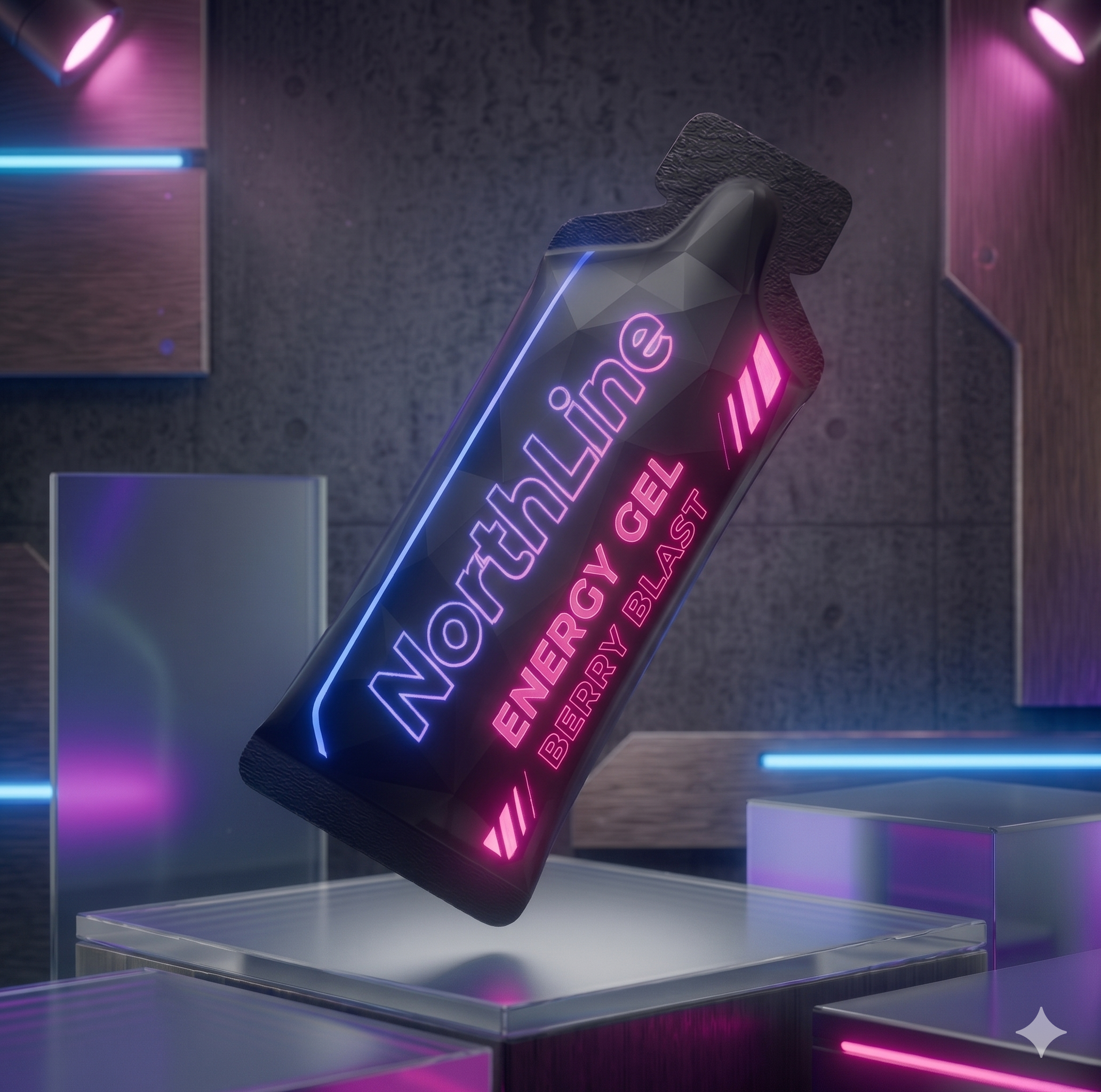
Your cool-down overlaps with the early phase of the post-workout recovery window. Starting your recovery nutrition during or immediately after your cool-down is ideal. A NorthLine Recovery gel — delivering 30g of carbohydrates and 8g of protein — can be consumed during your walking phase, allowing glycogen resynthesis to begin while you stretch. Follow with a full recovery meal within 60 minutes for optimal adaptation. For complete guidance on post-workout nutrition, see our post-workout recovery guide and use the Race Day Nutrition Planner to coordinate your cool-down and recovery fueling strategy.