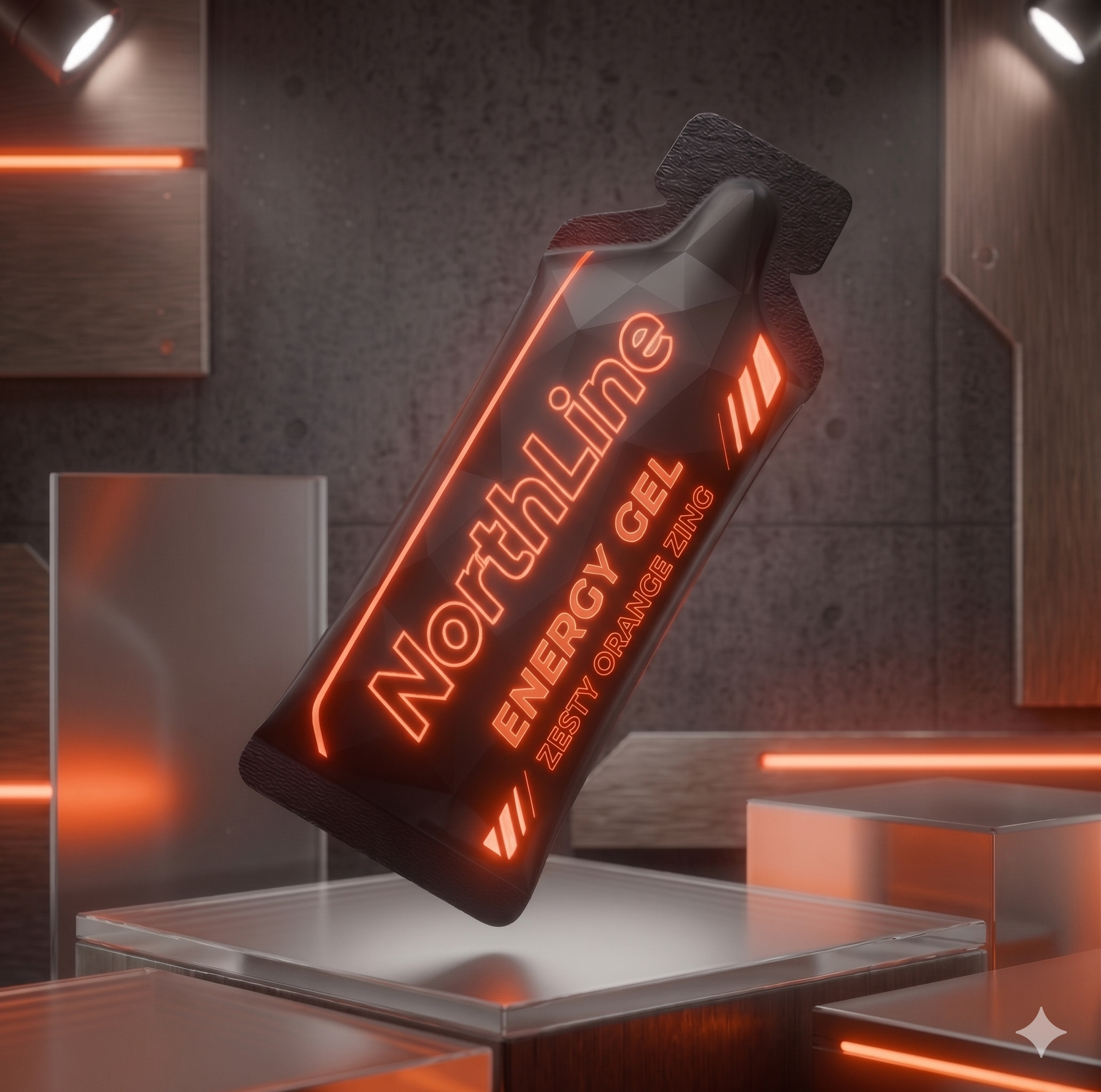
A 100km bike ride at moderate to hard effort burns between 2,000 and 3,000 kilocalories, depending on your power output, body weight, and efficiency. Yet the average cyclist replaces only 30–50% of those calories during the ride. The result: the final 20km becomes a grinding energy deficit. Here's how to fix it.
How Much Energy Does a 100km Ride Actually Burn?
Cycling energy expenditure is more precisely calculable than almost any other sport, because power meters measure mechanical work directly. The formula:
Kilojoules (kJ) of work ≈ Kilocalories burned
(Human cycling efficiency is approximately 20–25%, meaning roughly 1 kJ of mechanical work requires about 4–5 kJ of metabolic energy — which conveniently approximates to 1 kJ ≈ 1 kcal in practice.)
A 75kg cyclist averaging 200W for 3 hours produces approximately 2,160 kJ of mechanical work — so roughly 2,160 kcal burned. At 250W for 2.5 hours, the same rider burns ~2,250 kcal. Without a power meter, body weight and speed provide a reasonable estimate.
The Carbohydrate Absorption Ceiling
Your gut can absorb a maximum of carbohydrate per hour — and that ceiling depends entirely on the type of carbohydrate you consume.
- Single-source carbohydrate (glucose or maltodextrin only): Maximum ~60g per hour. Above this, the SGLT1 intestinal transporter is saturated and excess carbohydrate draws fluid into the gut, causing cramping and GI distress.
- Dual-source carbohydrate (glucose + fructose, 2:1 or 1:0.8 ratio): Maximum ~90g per hour. Fructose uses a separate transporter (GLUT5), allowing simultaneous absorption alongside glucose.
- With gut training: Some research suggests trained athletes can absorb up to 120g per hour with a 1:1 glucose-to-fructose ratio, but this requires 4–6 weeks of progressively higher carbohydrate intake during training rides to adapt gut enzyme activity.
For a 100km ride at moderate intensity taking 3.5–4 hours, targeting 60–90g of carbohydrate per hour means planning for 210–360g total — roughly 840–1,440 kcal from carbohydrates alone.
Pre-Ride Fueling
Arrive at the start with full glycogen stores. This means:
- Evening before: Higher-carbohydrate dinner. Pasta, rice, potatoes. Avoid high-fat or high-fibre foods that slow digestion.
- 2–3 hours before: 200–400 kcal carbohydrate-focused meal. Oats with banana, rice cakes with honey, toast with jam. Aim for 1–2g carbohydrate per kg of body weight.
- 30–60 minutes before: Optional small carbohydrate top-up (1 gel or a banana) if your pre-ride meal was more than 2 hours earlier.
On-Bike Fueling by Ride Duration
The timing of when to start fueling is as important as how much:
- Sub-2 hours: Fueling is largely unnecessary for well-fed athletes. A sports drink or 1 gel at 60–75 minutes helps if intensity is high.
- 2–3 hours: Start fueling at 45 minutes. Target 45–60g carbohydrates per hour. 2 gels per hour or an equivalent in sports drink.
- 3–5 hours (100km range): Start fueling at 30–45 minutes. Target 60–90g per hour. Alternate between gels and solid food (rice cakes, bars) to prevent palate fatigue.
- 5+ hours: Real food becomes important for satiety and gut tolerance. Bars, dates, bananas, rice cakes with savoury fillings. Gels remain useful for high-intensity sections.
Practical On-Bike Fueling Options
Cycling has a key advantage over running: you can eat more freely. The seated position and lower core impact mean GI tolerance is significantly better than running at equivalent intensity. Use this to your advantage:
- Energy gels: 20–25g carbohydrates, fast-absorbing, convenient. Best for high-intensity efforts or the final 30km when solid food becomes harder to manage.
- Sports drink (in bottle): 30–60g carbohydrates per 500ml depending on concentration. Easy to consume while riding, doubles as hydration. Don't use at full concentration in heat — dilute slightly.
- Rice cakes / homemade bars: Common among professional cyclists. Real food palatability over 5+ hours. Slower-absorbing but better tolerated than gels alone for long efforts.
- Bananas: 25g carbohydrates, easy to eat, familiar. A classic for good reason.
Hydration and Electrolytes
Sweat rates in cycling range from 500ml to 1.5L per hour depending on conditions and intensity. The general target: 500–750ml per hour in moderate conditions; up to 1L per hour in heat. Include sodium in any fluid consumed on rides exceeding 2 hours — hyponatremia (over-hydration without sodium) is a real risk when drinking large volumes of plain water.
Sodium needs vary by individual. Cyclists who finish rides with white salt marks on their kit are "salty sweaters" with sodium losses on the higher end — these athletes need to actively replace sodium, not just fluid.
The Final 20km
This is where under-fueling becomes visible. If you've fueled correctly, the final 20km should be hard but not catastrophically slow. If you feel a sudden drop in power, inability to maintain cadence, and generalised heaviness — you're glycogen-depleted. A gel and 5 minutes at lower intensity will partially help, but prevention is far more effective than rescue.
Use the NorthLine Race Day Nutrition Planner to build your kilometre-by-kilometre fueling schedule based on your planned ride duration and target carbohydrate intake. Pair it with the Cycling Power Zones Calculator to understand your expected calorie burn across zones and plan fuel amounts accordingly.