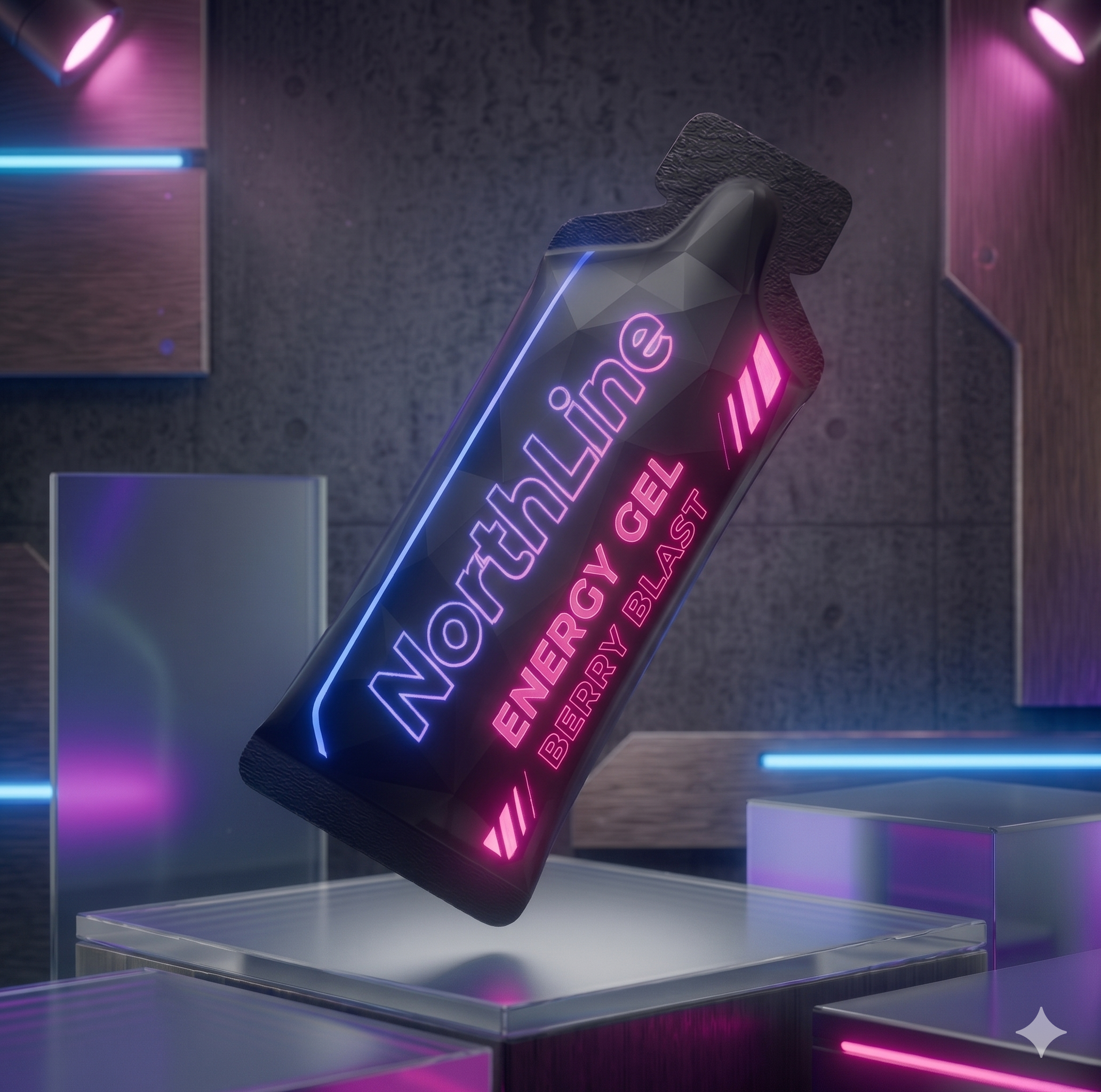
An ultramarathon is not a long marathon. The physiological demands, pacing strategy, and — critically — nutrition approach differ enough that marathon fueling knowledge, applied without modification to a 100-miler, will fail you somewhere between mile 40 and mile 60. Here's what changes, why, and how to plan accordingly.
How Ultra Nutrition Differs From Marathon Nutrition
Marathon nutrition is designed for 3–6 hours at high aerobic intensity. Simple carbohydrates, regular gel intake, and aggressive fueling work because the gut can handle them under moderate-to-high blood flow conditions during that duration.
Ultra nutrition must work for 6–36+ hours across a massive range of intensities — from hard running on flat sections to slow hiking on steep climbs. Three things change fundamentally:
- Palate fatigue: After 6+ hours, sweet gels become actively nauseating for most athletes. The same product that fueled your marathon becomes impossible to swallow by hour 8 of an ultra.
- Lower sustained intensity: Ultras are run at a lower average percentage of VO2max than marathons — particularly on technical terrain. This means fat oxidation plays a larger role, reducing (but not eliminating) carbohydrate dependency.
- GI stress accumulation: Hours of blood flow diversion from the gut to working muscles, combined with cumulative gel intake, degrades gut function progressively. Solid food becomes easier to tolerate than gels as the race progresses.
Calorie Requirements by Distance
Ultra energy demands are enormous — and replace only partially during the race:
- 50K (4–8 hours): 2,500–5,000 kcal expenditure. Target 200–250 kcal per hour. Gels plus sports drink typically sufficient.
- 50M (6–12 hours): 4,000–8,000 kcal expenditure. Target 200–300 kcal per hour. Transition to real food essential by hour 5–6.
- 100K (8–20 hours): 6,000–14,000 kcal expenditure. Target 200–300 kcal per hour. Substantial real food required. Aid station strategy critical.
- 100M (14–36+ hours): 10,000–24,000 kcal expenditure. Target 200–300 kcal per hour maximum — higher rates are rarely tolerated. Real food, hot food, and variety become essential for continued intake.
Note: replacing 30–40% of total caloric expenditure is a realistic goal in events over 12 hours. Athletes who attempt to maintain marathon-style fueling through 100-mile events typically experience GI shutdown by halfway.
The Carbohydrate-to-Fat Shift
At ultra paces (often 60–75% VO2max on flatter sections, much lower on climbs), fat oxidation contributes more to energy production than in marathons. A well-trained ultra runner may derive 50–60% of energy from fat oxidation at race pace — reducing the mandatory carbohydrate replacement rate.
This does not mean ignoring carbohydrates. It means that the aggressive 90g/hour intake optimal for marathon performance may be unnecessary, and potentially counterproductive (GI stress), in ultras. A more moderate 40–60g/hour carbohydrate target, supplemented with fat-containing real foods, is appropriate for most ultra distances.
What to Eat During an Ultra: A Progression
Hours 1–4: Standard Endurance Fueling
Gels, sports drink, energy chews, bananas. 40–60g carbohydrates per hour. This phase resembles marathon nutrition — the gut is fresh and intensity is manageable.
Hours 4–8: Transition to Real Food
Aid station food becomes important. Popular options at this stage: rice balls, boiled potatoes with salt, PB&J quarters, soup. Salty and savoury foods become increasingly appealing as sweet gel fatigue sets in.
Continue gels during high-intensity sections (descents, competitive sections) — the fast absorption still matters. Use solid food during hike-power sections and at aid stations.
Hours 8+: Survival Nutrition
Whatever you can get down. Stomach function is degraded. Foods that were unappealing earlier (broth, ramen noodles, boiled rice, flat cola) become palatable. Cola is a particular ultra staple: caffeine, simple sugars, gas that relieves bloating, and palatability even in extremis.
Prioritise caloric density per unit of palatability. A handful of potato chips provides 150 kcal, salt, and something that doesn't taste like number 47 out of a gel packet.
Sodium — The Critical Ultra Electrolyte
Sodium requirements over a 24-hour ultra can exceed 5,000–10,000mg. Hyponatraemia (dangerously low blood sodium from over-hydration without sodium replacement) is a documented cause of DNF and medical emergency in ultra events. Actively replace sodium through:
- Salt tabs or electrolyte capsules (800–1,000mg/hour in hot conditions)
- Salty aid station foods (soup, pretzels, chips, ramen)
- Electrolyte drinks rather than plain water at aid stations
Night Running Nutrition
In 100-mile events, the night section (typically hours 12–20+) presents specific challenges: appetite suppression from fatigue, caffeine timing becomes critical, and cold temperatures change both appetite and caloric needs. Strategies:
- Hot food at night aid stations — soup, ramen, hot broth — provides both calories and thermoregulation support
- Caffeine 200mg at the start of night running (typically first dose since pre-race); repeat every 3–4 hours through the night
- Reduce reliance on very sweet foods — cold and fatigue reduce tolerance for sweetness further
Planning Your Ultra Aid Station Strategy
Use the NorthLine Ultra Trail Fueling Planner to build an aid station by aid station nutrition plan — specifying what to carry between stations, what to consume at each stop, and how to adjust targets based on terrain, weather, and time of day. Enter your target finish time and race distance to generate a complete hourly fueling timeline.