The night before a marathon is not the time to experiment. Yet year after year, runners make avoidable mistakes at the pre-race dinner table — eating unfamiliar foods, overdoing fibre, or skipping meals out of nerves. Here's an evidence-based guide to fuelling the evening before race day.
The Goal of Your Pre-Race Dinner
Your evening meal has two jobs: top up muscle glycogen without leaving your gut full, uncomfortable, or stressed on race morning. By the night before, your carb loading phase (if you've done one) should already be largely complete. This meal is the final, familiar layer — not a last-minute cramming session.
The optimal dinner plate looks like this: 60–70% carbohydrates, 20% lean protein, 10% low-fibre vegetables or fat. Simple, familiar, and not excessively large.
Best Pre-Race Dinner Foods
- White pasta or rice: Low fibre, easy to digest, high glycogen yield. Classic for good reason.
- Chicken breast or salmon: Lean protein supports overnight muscle maintenance without GI risk
- White bread or sourdough: Easy carbohydrate top-up if appetite is lower than usual
- Banana or white rice with honey: Simple evening snack if dinner feels light
- Plain tomato sauce, olive oil: Light flavour additions that don't load the gut
Foods to Avoid the Night Before
The no-go list isn't about nutrition quality — it's about GI risk on race morning:
- High-fibre foods: Beans, lentils, broccoli, kale, whole grain pasta — all dramatically increase gut transit time and fermentation gas
- High-fat meals: Creamy sauces, fried food, and large quantities of cheese slow gastric emptying, leaving you feeling heavy on the start line
- Alcohol: Even one or two drinks impair sleep quality, increase dehydration, and elevate morning heart rate — none of which you want before a marathon
- Spicy food: Capsaicin irritates the gut lining and can trigger urgency during the run
- Unfamiliar restaurants: Race weekend is the worst time for culinary adventure. Stick to what you know.
- Huge portions: An oversized pasta meal causes bloating and disrupts sleep. Eat a moderate, comfortable-sized dinner.
Dinner Timing
Aim to finish your pre-race dinner 3–4 hours before your planned bedtime. This allows sufficient digestion before sleep and means your gut isn't still working overtime when your alarm goes off. If your race starts at 8am and you're waking at 5:30am, a 7pm dinner is ideal.
What About Race Morning Breakfast?
Race morning nutrition is equally critical. The goal:
- Timing: Eat 2–3 hours before the gun. This gives your stomach time to empty before exercise begins.
- Volume: 500–800 calories of familiar, easy-to-digest carbohydrates
- Format: Porridge/oats with banana, white toast with peanut butter and honey, bagel with jam, white rice — all proven options
- Fluids: 400–600ml of water or electrolyte drink in the 2 hours before start
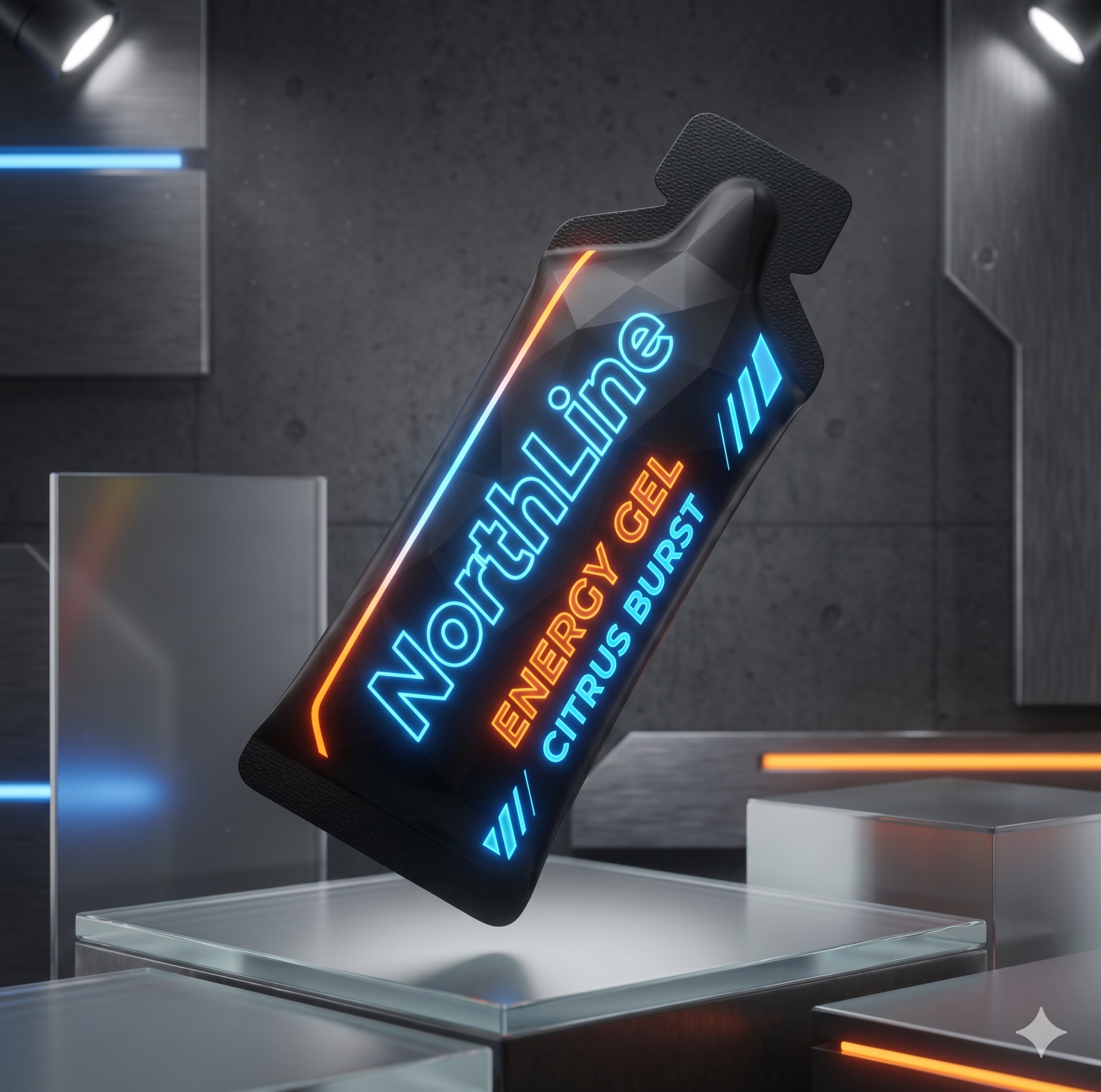
If nerves suppress your appetite, prioritise carbohydrates over protein and fat. A sports drink, banana, or even a NorthLine gel can serve as a low-volume alternative when solid food doesn't appeal.
The Night Before: The Full Timeline
- Evening before: Familiar carb-rich dinner at 6–7pm, 400ml water before bed
- Race morning (5:00–5:30am): Light, familiar breakfast — 2–3 hours before start
- 30–45 minutes before start: 300–400ml electrolyte drink, optionally 1 energy gel
- Start line: Sip water as available, take your first gel at 30–45 minutes into the race
Use our Race Day Nutrition Planner to build your complete in-race gel schedule based on your target finish time.