Dehydration is the single most common and underestimated performance-limiting factor in endurance sport. Unlike bonking — which announces itself dramatically — early-stage dehydration is subtle: a slight increase in perceived effort, a marginal uptick in heart rate at a given pace, a barely perceptible reduction in concentration. By the time an athlete recognises thirst as a signal, they may already be 1–2% dehydrated and measurably impaired.
The challenge is compounded by individual variability: sweat rates vary from 0.5 to 2.5 litres per hour, and a protocol designed for an average sweat rate will under-hydrate heavy sweaters and over-hydrate light sweaters. Personalised hydration planning — based on your own sweat rate data — is the only robust solution.
Early Warning Signs of Dehydration During Exercise
Recognising dehydration before it becomes severe is the key to maintaining performance. The progression of signs by dehydration level:
- 1% body weight loss (mild): Thirst begins. Slight increase in heart rate at a given pace. Mouth feels dry. These signs are easy to ignore, especially in cool conditions or at high intensity where thirst may be masked.
- 2% body weight loss (moderate): Aerobic performance declines 10–20%. Perceived effort increases significantly at the same pace. Headache may begin. Urine becomes dark yellow if you can assess it.
- 3–4% body weight loss (significant): Muscular endurance and strength are meaningfully impaired. Cognitive function deteriorates. Core temperature rises more rapidly. Nausea may develop.
- 5%+ body weight loss (severe): Performance collapses. Risk of heat illness increases dramatically. Medical attention may be required.
The Urine Colour Test
Urine colour is the most practical hydration self-assessment tool available. A simple 8-point scale:
- Clear to pale yellow (1–2): Well-hydrated. This is your target for the hours before a race or long session.
- Pale straw yellow (3–4): Adequately hydrated. Acceptable for normal training days.
- Dark yellow to amber (5–6): Mildly to moderately dehydrated. Begin fluid intake immediately.
- Orange to brown (7–8): Significantly dehydrated. Stop exercise, rehydrate, and seek shade.
Important caveat: B-vitamins (riboflavin in particular) turn urine bright yellow regardless of hydration status. If you take a multivitamin, urine colour is less reliable as a hydration marker.
Dehydration vs. Hyponatremia: Critical Distinction
Hyponatremia (dangerously low blood sodium from overhydration) can present with symptoms similar to dehydration: nausea, headache, confusion, and fatigue. The critical difference: hyponatremic athletes are typically overhydrated (swollen extremities, no urine darkening, often well-hydrated prior to race). Treating hyponatremia with additional plain water is dangerous — it worsens the condition. Treating dehydration with sodium-containing fluid is always safe. When in doubt, choose a sodium-containing electrolyte drink rather than plain water, which addresses dehydration without risk of worsening hyponatremia.
The Science of Rehydration: What Actually Works
After exercise-induced dehydration, full rehydration requires more fluid than the weight lost — because urinary losses continue during rehydration. The evidence-based protocol: drink 1.5 times the fluid volume lost (weigh yourself before and after training — each kg of weight loss equals approximately 1 litre of sweat). So a 1kg post-run weight loss requires 1.5L of fluid for full rehydration over 2–4 hours. Attempting to consume all 1.5L immediately triggers rapid diuresis (increased urination) that wastes the fluid. Drink steadily over 2–4 hours post-exercise.
Electrolyte Replacement: Why Water Alone Is Insufficient
Drinking plain water after significant dehydration dilutes blood sodium, inhibiting fluid retention and delaying rehydration. Sodium is the primary driver of fluid retention — drinks containing 400–600mg of sodium per litre are retained significantly better than plain water. Practical rehydration protocol after training or racing:
- First 30 minutes: 500–750ml of sports drink or electrolyte water containing 300–500mg of sodium.
- 30 minutes–2 hours: Continue 200–300ml every 15–20 minutes until target volume is reached.
- Include a carbohydrate-containing meal or recovery drink within 60 minutes to support glycogen resynthesis alongside fluid restoration.
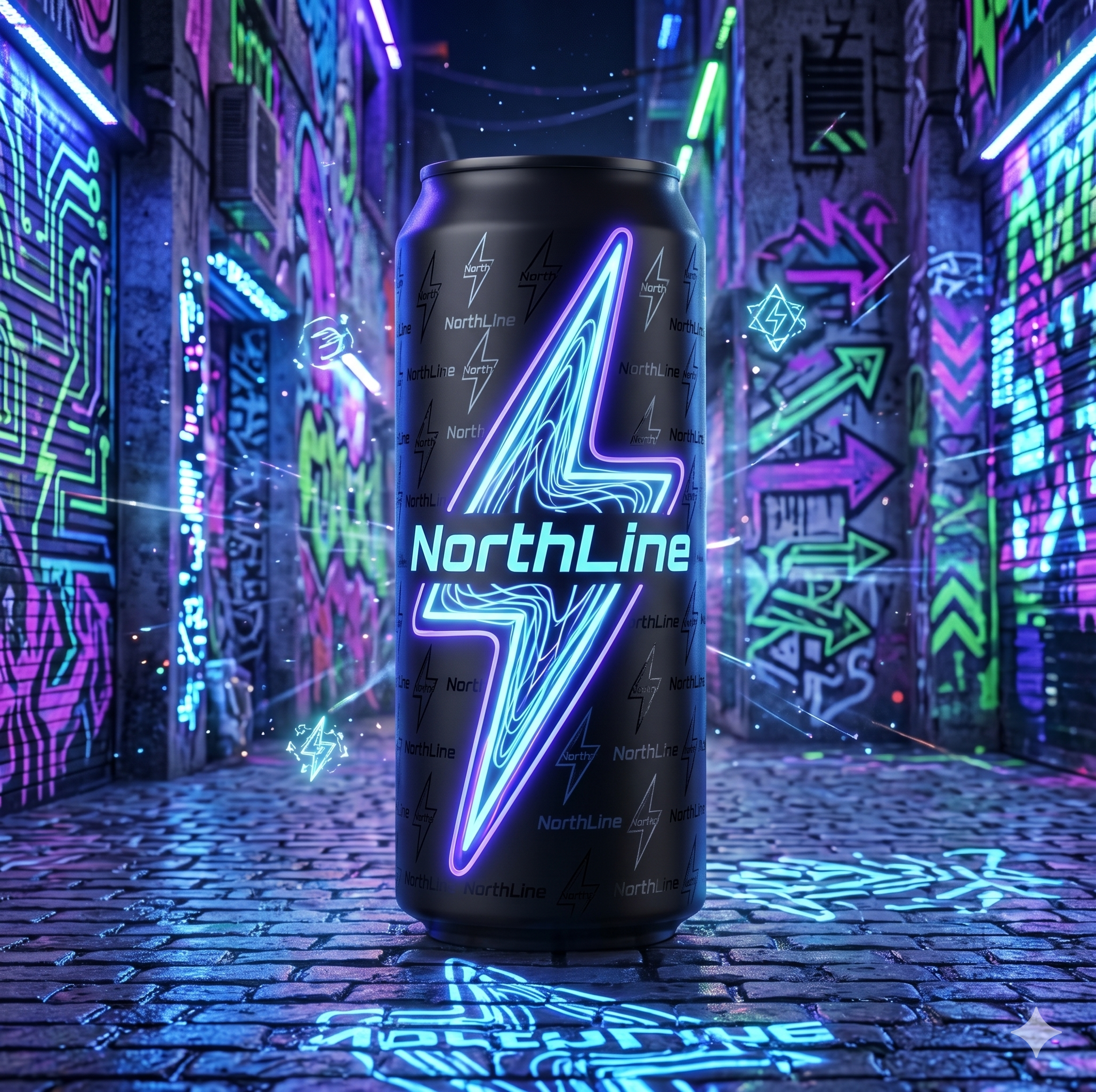
Use the Sweat Rate Calculator to measure your personal fluid losses in training and set a precise rehydration target. NorthLine electrolyte cans contain 300mg of sodium per serve and are designed as both in-session and post-session rehydration tools — a practical way to replace sodium alongside fluid without relying on high-sodium processed foods.
Prevention Protocol for Training and Racing
- Pre-exercise: Ensure pale yellow urine before the start. Drink 400–600ml of fluid 2–3 hours before exercise.
- During exercise: Drink 400–800ml per hour based on your sweat rate — not to eliminate thirst, but to prevent dehydration exceeding 2% body weight.
- Hot conditions: Increase fluid intake and sodium intake proportionally. A 25°C day with direct sun may double your sweat rate compared to 15°C shade.
- Training day consistency: Check urine colour every morning as a daily hydration status check. Dark morning urine is a signal to begin the day with 500ml of water before coffee.