Electrolytes
25 articles
 Hydration
September 15, 2026 · 10 MIN
Ultra-Running Hyperhydration: Fluid Strategies Beyond 50 Miles
Hydration demands in ultra-running beyond 50 miles diverge sharply from standard marathon protocols. Sodium losses of 900–1800 mg/hr, the constant threat of hyponatremia, and the need for real-time body weight checkpoints require a distance-specific fluid strategy that adapts as the race unfolds.
 Hydration
September 8, 2026 · 12 MIN
Heat Training Hydration: Electrolyte Protocols for Hot-Climate Athletes
Heat acclimation changes sweat composition — sodium concentration drops from 50-60 to 20-30 mmol/L as the body adapts. Your electrolyte strategy must evolve with your physiology. Here is the complete protocol.
HydrationSeptember 8, 2026 · 11 MIN
Ultra-Running Hydration: Self-Supported and Aid Station Strategies
Sodium losses during ultras reach 500-1000mg per hour across 12-30+ hours of racing. Learn flask vs vest hydration planning, aid station drinking protocols, overnight fluid shifts, and hyponatremia risk management for 50-100+ mile events.
 Hydration
September 7, 2026 · 12 MIN
Cycling in Extreme Heat: Hydration and Core Temperature Management
Core temperature above 39.5 C triggers central fatigue and impairs power output by 15-25%. With sweat rates hitting 1.5-3.0 L/hr in the heat, your hydration strategy must be as precise as your training plan.
 Hydration
September 4, 2026 · 11 MIN
Electrolyte Periodization Across Training Phases: Base, Build, Peak, and Race
Sodium needs increase by 20–40% during high-volume training blocks. Learn how to periodize your electrolyte intake across base building, intensity blocks, taper, and race day for optimal hydration and performance.
HydrationAugust 28, 2026 · 9 MIN
Electrolyte Drinks vs Salt Tablets: Which Is Better for Endurance?
Electrolyte drinks absorb faster but salt capsules offer unmatched portability. Understanding absorption kinetics, sodium concentrations, and GI tolerance will help you choose the right strategy — or combine both for ultra-distance performance.
HydrationAugust 25, 2026 · 9 MIN
Hydration During Strength Training: Why Endurance Athletes Get It Wrong
Endurance athletes meticulously hydrate for runs and rides but routinely neglect fluid intake during gym sessions. Even 2% dehydration reduces maximal strength by 6-10% and power output by 3-5% — silently undermining the cross-training that builds injury resilience.
 Nutrition
August 14, 2026 · 8 MIN
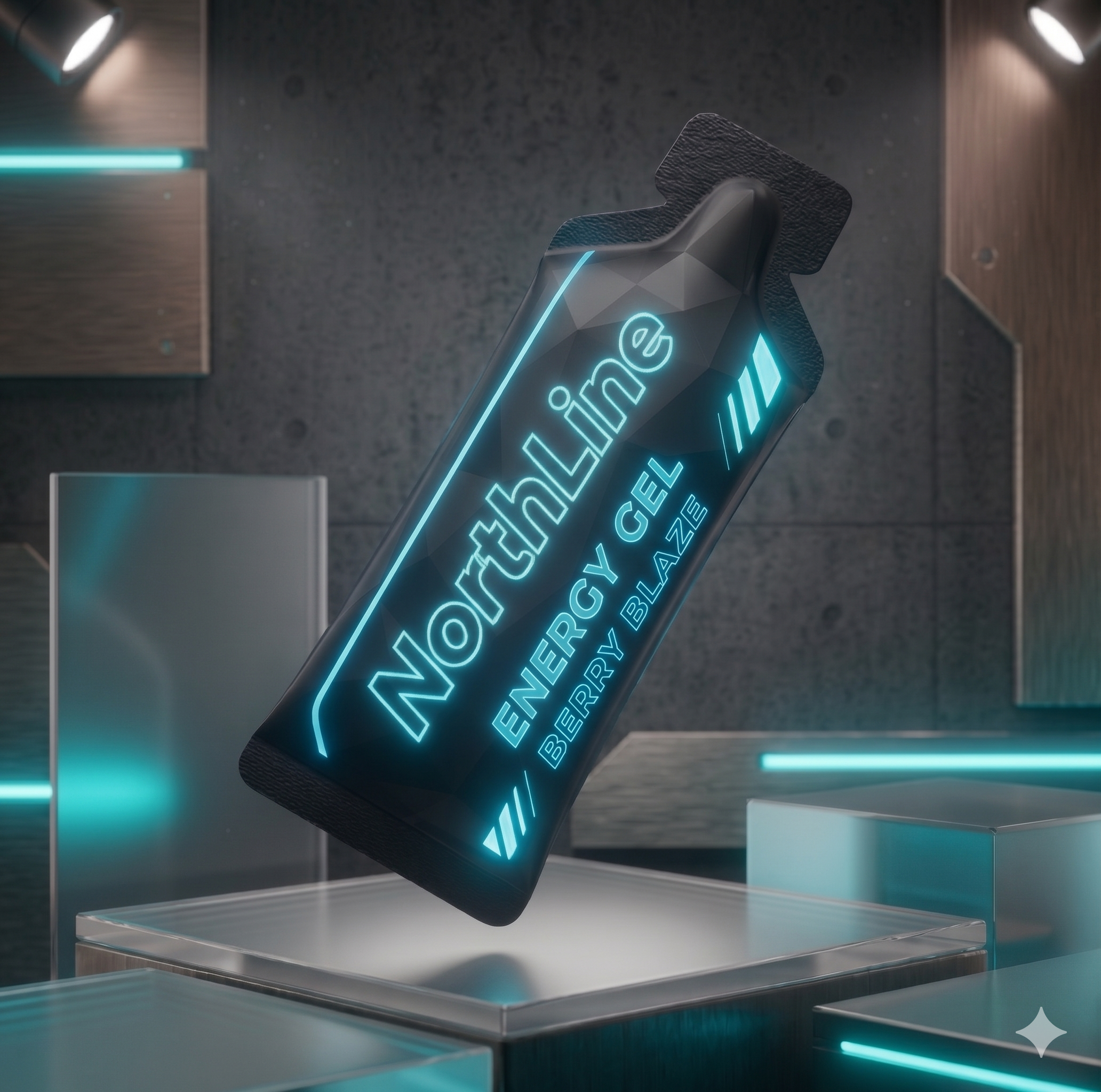
Trail Running Nutrition: How to Fuel for Elevation, Duration, and Variable Intensity
Trail running burns 10–30% more calories per hour than road running at the same pace. Elevation gain, technical terrain, and variable intensity demand a different fueling strategy — here is how to plan it.
HydrationAugust 14, 2026 · 7 MIN
How to Make Your Own Electrolyte Drink for Endurance Training
Commercial sports drinks cost 3–5x more than homemade alternatives with identical electrolyte profiles. These 5 DIY recipes match the sodium, potassium, and carbohydrate ratios that sports science recommends.
HydrationAugust 10, 2026 · 7 MIN
Cycling Hydration Strategy: How Much to Drink on Long Rides
Cyclists face unique hydration challenges — reduced sweat awareness in the wind, the practical difficulty of drinking at speed, and rides lasting 4–8 hours that far exceed thirst-based drinking reliability. Here's an evidence-based hydration protocol for long rides.
HydrationAugust 10, 2026 · 8 MIN
Hyponatremia Prevention: Why Drinking Too Much Water Is Dangerous in Endurance Events
Exercise-associated hyponatremia (EAH) — dangerously low blood sodium from overhydration — kills athletes who drink too much plain water. It is underdiagnosed, frequently confused with dehydration, and entirely preventable with a sodium-first hydration strategy.
HydrationAugust 9, 2026 · 7 MIN
Dehydration During Exercise: Signs, Severity Levels, and Rehydration Protocol
Dehydration of just 2% body weight degrades aerobic performance by up to 20%. Yet most athletes cannot reliably recognise early-stage dehydration until it has already impaired their performance. Here's how to identify it early and fix it fast.
HydrationAugust 5, 2026 · 6 MIN
Evening and Night Running: How Hydration Needs Differ After Dark
Evening runners face hydration conditions that differ from morning training — often starting the session already mildly dehydrated from a full day of activity, in cooler temperatures that mask thirst. A practical guide to night run hydration and pre-session preparation.
HydrationAugust 2, 2026 · 7 MIN
Training in Heat and Humidity: Why Humidity Changes Everything About Hydration
High humidity prevents sweat evaporation — the body's primary cooling system — causing heat to accumulate despite continued sweating. WBGT thresholds, humidity-adjusted fluid targets, and sodium replacement protocols for summer training and tropical race preparation.
HydrationJuly 31, 2026 · 7 MIN
When and How to Take Electrolytes During Exercise: The Timing Guide
Taking electrolytes too late, too early, or in the wrong format can negate their benefit. This evidence-based guide explains optimal electrolyte timing by session duration, intensity, and environmental conditions.
HydrationJuly 29, 2026 · 8 MIN
Hydration for Female Athletes: How the Menstrual Cycle Affects Fluid Needs
Oestrogen and progesterone directly affect plasma volume, sweat rate, and thirst sensitivity throughout the menstrual cycle. Female athletes who understand these shifts can personalise their hydration for every training phase.
HydrationJuly 12, 2026 · 6 MIN
Cold Weather Hydration: Why Athletes Underdrink in Winter and How to Fix It
Cold suppresses thirst perception by up to 40% while respiratory fluid losses add 300–400ml per hour. Winter dehydration is consistently underdiagnosed and impairs endurance performance across all cold-weather training disciplines.
HydrationJuly 10, 2026 · 7 MIN
Sweat Testing for Personalized Hydration: How to Measure What You Lose and Replace It Precisely
Generic hydration guidelines miss the enormous individual variation in sweat rate (0.5–2.5L/hr) and sodium concentration (200–2,000mg/L). Sweat testing gives you the numbers to build a truly personalized strategy.
HydrationJuly 8, 2026 · 7 MIN
Sodium Loading Before Endurance Races: Protocol, Evidence, and Who Benefits
Sodium loading 24 hours before a race can expand plasma volume by 300–500mL, delay hyponatremia risk, and improve thermoregulatory capacity. But the protocol matters — and it's not right for every athlete or event.
HydrationJune 22, 2026 · 7 MIN
Cycling Hydration Strategy: How to Drink Smarter on the Bike
Studies of recreational cyclists in sportive events show that 60–80% finish with a measurable fluid deficit. The cooling effect of airflow masks sweat rate — making dehydration on the bike uniquely easy to underestimate.
HydrationJune 16, 2026 · 7 MIN
Are You a Salty Sweater? How to Test Your Sweat Sodium and Fix Your Electrolyte Strategy
Sweat sodium concentration varies 5× between individuals. The generic electrolyte advice that works for your training partner may leave you cramping or hyponatraemic. Here's how to find out which you are.
HydrationJune 9, 2026 · 7 MIN
How to Measure Your Sweat Rate: A Step-by-Step Guide for Runners
Generic hydration guidelines are built on population averages that may be completely wrong for you. Here's how to measure your actual sweat rate in 60 minutes — and what to do with the result.
HydrationApril 21, 2026 · 8 MIN
Electrolytes for Athletes: What They Are and Why They Matter
Sodium, potassium, magnesium — what do electrolytes actually do during exercise? Here's the science behind the minerals that keep athletes performing.
HydrationApril 14, 2026 · 7 MIN
Signs You're Dehydrated During Exercise (And How to Fix It)
Dehydration starts affecting your performance before you feel thirsty. Learn to recognise the early warning signs — and the recovery strategy that actually works.
HydrationMarch 18, 2026 · 7 MIN
Hydration Strategy for Endurance Athletes
Dehydration of just 2% body weight impairs performance by up to 20%. Here's a evidence-based framework for staying ahead of your fluid needs.