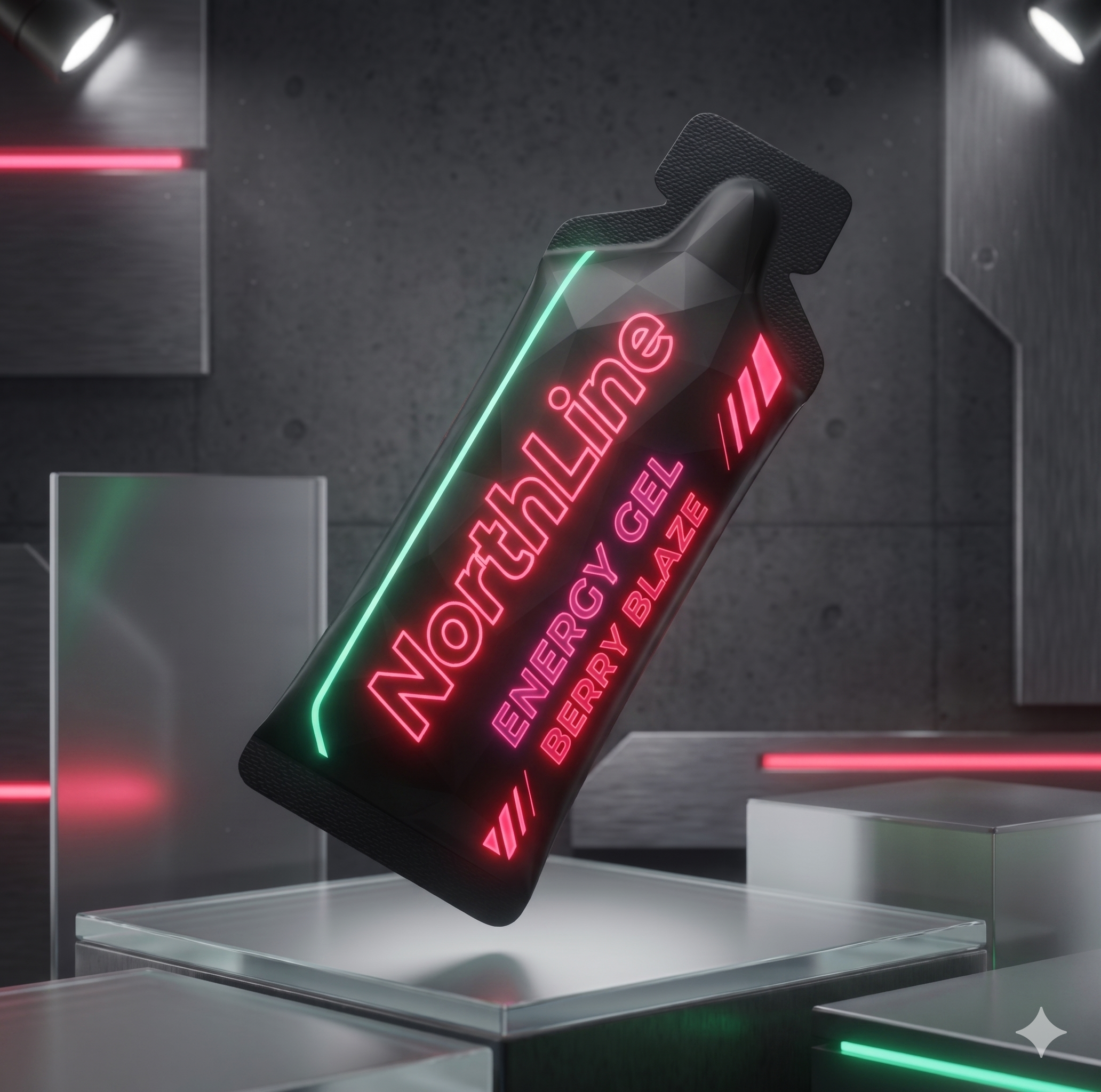
The long run is the cornerstone session of any marathon or half marathon training programme — and also the session where nutrition practice most directly translates to race-day execution. Yet many recreational endurance athletes approach their weekly long run in a semi-fasted state, either to "train the fat-burning engine" or simply from habit. Both the science and practical race outcomes support a more strategic approach: deliberate, progressive fueling that trains the gut to absorb carbohydrate at race-like intake rates.
Long runs serve multiple training purposes simultaneously: building aerobic base, improving fat oxidation capacity, conditioning the gut to process fuel under exercise stress, and developing psychological tolerance for sustained effort. Optimal fueling does not undermine the first two adaptations — it protects muscle mass, supports training quality in the later stages when peripheral fatigue accumulates, and systematically builds the gut capacity that has a direct, measurable impact on race-day performance.
When to Start Fueling: Earlier Than You Think
The most common fueling mistake on long runs is starting too late. Glycogen depletion becomes performance-limiting at around 90 minutes of moderate-to-high intensity exercise — but by the time you feel hungry or fatigued, blood glucose has been declining for 20–30 minutes and the gut's absorption efficiency is reduced by concurrent dehydration and elevated exercise intensity. The first sign that you need to eat is rarely the first moment you actually need to eat.
Best practice: begin fueling at 45–60 minutes into any long run exceeding 75 minutes in duration — well before energy levels decline. Subsequent intake every 30–45 minutes. This protocol allows the gut to process carbohydrate while blood flow to the digestive system remains adequate. Later in a run, gut blood flow can fall by up to 80% due to cardiovascular redistribution to working muscles, impairing absorption and significantly increasing GI distress risk.
Carbohydrate Targets by Duration
Carbohydrate intake guidelines for long training runs depend on duration and session objective:
- 60–90 minutes: 30g carbohydrate per hour (or none for easy sub-threshold efforts where gut training is not the session goal)
- 90 minutes – 2.5 hours: 45–60g carbohydrate per hour
- 2.5+ hours: 60–90g per hour using a dual-transporter source (glucose + fructose 2:1 ratio) to maximise intestinal uptake capacity
These targets are intentionally lower than race-day guidelines. Training at 60–80% of race carbohydrate intake provides sufficient fuel to maintain quality while preserving some training stimulus for metabolic flexibility and fat oxidation — without the full GI load of race-day fueling at every session.
Gut Training: The Long Run as Practice
The gut's ability to absorb carbohydrate during exercise is trainable. Athletes who consistently practice fueling during long runs develop higher intestinal SGLT1 transporter density — the molecular machinery that absorbs glucose — and demonstrate significantly lower rates of race-day GI distress. A 2011 study by Jeukendrup et al. showed that 28 days of gut training increased carbohydrate oxidation rates by 12% during exercise and produced a 45% reduction in GI symptoms at race intensity compared to a control group.
Treat every long run over 90 minutes as a gut training session. Use the same products you plan to race with, at similar timing intervals. GI distress during training runs is almost always a solvable problem related to gel osmolality, fat content, or inadequate water co-ingestion — rather than an inherent sensitivity. Read our guide to gut training for race day for a systematic troubleshooting protocol for exercise-induced GI symptoms.
Hydration on Long Training Runs
Long runs exceeding 90 minutes require active hydration — not just a drink after the session. Plan your route around water access, or carry fluid. A practical target: 400–600ml per hour in cool conditions, scaling to 600–800ml in warm or humid conditions. Sodium replacement becomes critical at the 2-hour mark and beyond, as sodium maintains plasma volume and sustains the thirst signal. Running with plain water while sweating heavily can dilute plasma sodium faster than many athletes expect — particularly on hot-weather long runs of 3+ hours.
Use the NorthLine Sweat Rate Calculator to generate your personalised hourly fluid and sodium loss estimates based on temperature, pace, and body weight. This gives you a precise long-run hydration target rather than a generic guideline that may significantly under- or over-estimate your individual needs on any given training day.