The 10K is run at approximately 90–95% of VO2max — well above the moderate-intensity zone where fat oxidation can meet energy demands. At this intensity, carbohydrates are the dominant fuel source, and even a modest shortfall in blood glucose can impair performance in the final third of the race. Yet the 10K is short enough that mid-race gel consumption is rarely warranted and can cause GI distress during the run. The nutrition strategy for a 10K therefore front-loads almost all fueling to the pre-race period.
Research on carbohydrate availability at high intensities consistently shows that athletes with higher pre-exercise muscle glycogen levels perform better over 35–65 minute efforts. This means the most important nutrition decision you make for your 10K happens 3–4 hours before the starting gun, not during it.
Pre-Race Meal (3–4 Hours Before)
Aim for 1.5–2.5g of carbohydrate per kilogram of body weight at the pre-race meal. For a 70kg runner, this is 105–175g of carbohydrate. Keep fat and fibre low to accelerate gastric emptying and reduce GI distress risk:
- White rice or pasta with a light tomato sauce (150–200g cooked weight)
- Porridge with banana and honey (large bowl)
- White toast (3–4 slices) with jam and a sports drink
- Bagels or rice cakes with banana
Avoid high-fibre cereals, raw vegetables, beans, or high-fat foods that slow gastric transit. Coffee is acceptable — it will be useful for performance — but ensure you are fully hydrated, as caffeine increases urine output. Aim to finish the meal at least 3 hours before race start.
Pre-Race Top-Up (45–60 Minutes Before)
A small carbohydrate top-up maintains blood glucose and restores glycogen used during warm-up:
- 1 energy gel (20–22g carbohydrate) with 150–200ml water
- A ripe banana
- 150ml of a sports drink
If using caffeine for performance, this is the optimal time — 200–400mg of caffeine (3–6mg/kg body weight) taken 45–60 minutes before the race start reaches peak plasma concentration just as the race begins. A caffeinated energy gel is a convenient format: it simultaneously provides carbohydrate and caffeine in a single dose.
During the Race: Typically None Required
For 10K races completed in under 60 minutes, mid-race nutrition is not necessary — the pre-race fueling protocol is sufficient to maintain blood glucose throughout. For slower runners completing in 55–70 minutes, a single caffeinated gel at the 3–4km mark can provide a stimulant benefit in the final 2km without risking GI issues. Water at aid stations (50–100ml at each) helps absorption of the gel and maintains comfort, but dehydration is unlikely to be a limiting factor in a well-hydrated athlete at this duration.
Post-Race Recovery Nutrition
The post-10K recovery window matters more than many runners realise. Glycogen resynthesis begins immediately after the race and is fastest in the first 30–60 minutes:
- 30–50g of carbohydrate within 30 minutes (banana, energy bar, or sports drink)
- 20–25g of protein within 2 hours (protein shake, chocolate milk, or a lean meat sandwich)
- 500–750ml of fluid to restore sweat losses from warm-up and race
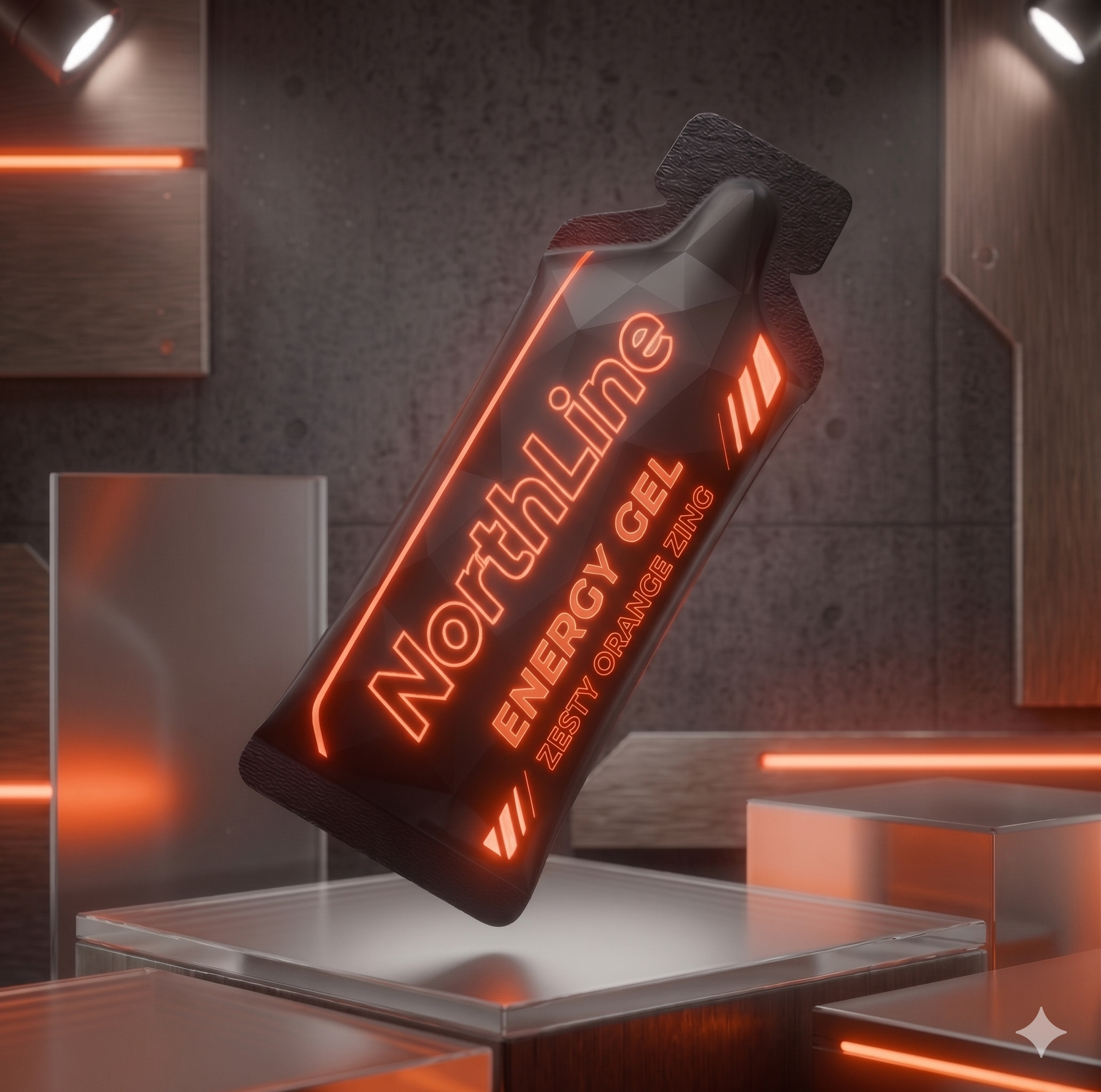
Most athletes can resume easy training within 3–5 days after a 10K. The muscle damage from 10K racing is significantly less than marathon damage — recovery is primarily about glycogen restoration and minor muscle fibre repair rather than managing significant structural damage. Use the Race Day Nutrition Planner to generate a personalised 10K nutrition timeline from pre-race meal through recovery. NorthLine Green Apple gels provide 22g of carbohydrate with optional caffeine — ideal for the pre-race top-up 45–60 minutes before start.