The sprint triathlon — 750m swim, 20km bike, 5km run — sits in a unique metabolic zone. At 60–90 minutes of racing, glycogen depletion is unlikely to be the primary limiting factor for most athletes, yet the sustained high intensity means blood glucose management still matters. Choosing the wrong fueling approach can either leave calories sitting undigested in your stomach or result in running the final kilometre on empty. The optimal strategy for sprint distance is deliberately simpler than longer-course fueling — but not absent.
Research on efforts in the 60–90 minute range shows that carbohydrate intake during exercise improves performance even without reaching glycogen depletion — partly through the mouth-rinsing effect (carbohydrate receptors in the mouth signal the brain to reduce perceived effort) and partly through direct glucose provision to working muscles. For sprint triathlon, quantity and timing must be precise.
Pre-Race Breakfast (3–4 Hours Before)
The pre-race meal is the most important fueling decision for sprint distance. Aim for 1–2g of carbohydrate per kilogram of body weight from easily digestible sources:
- Porridge with banana and honey (80–100g carbohydrates for a 70kg athlete)
- White toast with peanut butter and jam
- Bagel with light cream cheese and a sports drink
- Rice cakes with banana and honey
Keep fat and fibre low at this meal — both slow gastric emptying and increase GI distress risk during the high-intensity run segment. Eat 3–4 hours pre-race to ensure full digestion by start time. For very early morning races (6–7am start), this requires waking at 3–4am — inconvenient but necessary to avoid racing on near-empty liver glycogen stores.
Pre-Race Top-Up (30–60 Minutes Before)
A small carbohydrate top-up in the 30–60 minutes before start maintains blood glucose and restores glycogen used during warm-up:
- 1 energy gel (20–22g carbohydrate) with water
- A ripe banana
- 100–150ml of a sports drink
Avoid solid foods in the 30 minutes immediately before the swim — gastric emptying cannot clear them in time. Athletes who experience reactive hypoglycemia (a blood sugar dip after carbohydrate intake) should take their pre-race gel closer to 15 minutes before start, reducing the insulin response window before exercise.
During the Race: Minimal, Targeted Fueling
The swim rules out intake entirely. On the bike (typically 35–45 minutes), a single gel or caffeinated gel consumed in the first 10–15 minutes of cycling — washed down with water — is sufficient for most athletes completing in under 75 minutes. A caffeinated gel (75–100mg caffeine) on the bike provides stimulant benefit for the run without excessive carbohydrate load.
Athletes racing over 80 minutes or in hot conditions should increase bike intake to 30–40g of carbohydrate and prioritise electrolyte fluids to replace sodium lost during the swim and bike segments.
Post-Race Recovery Nutrition
Despite its short duration, a sprint triathlon depletes a meaningful portion of muscle glycogen and causes muscle protein breakdown. The 30-minute post-race window is important for kick-starting recovery:
- 40–60g of carbohydrate (banana + rice cake or recovery drink)
- 20–25g of protein (chocolate milk, protein shake, or lean meat sandwich)
- 300–500ml of fluid with sodium to replace sweat losses from all three disciplines
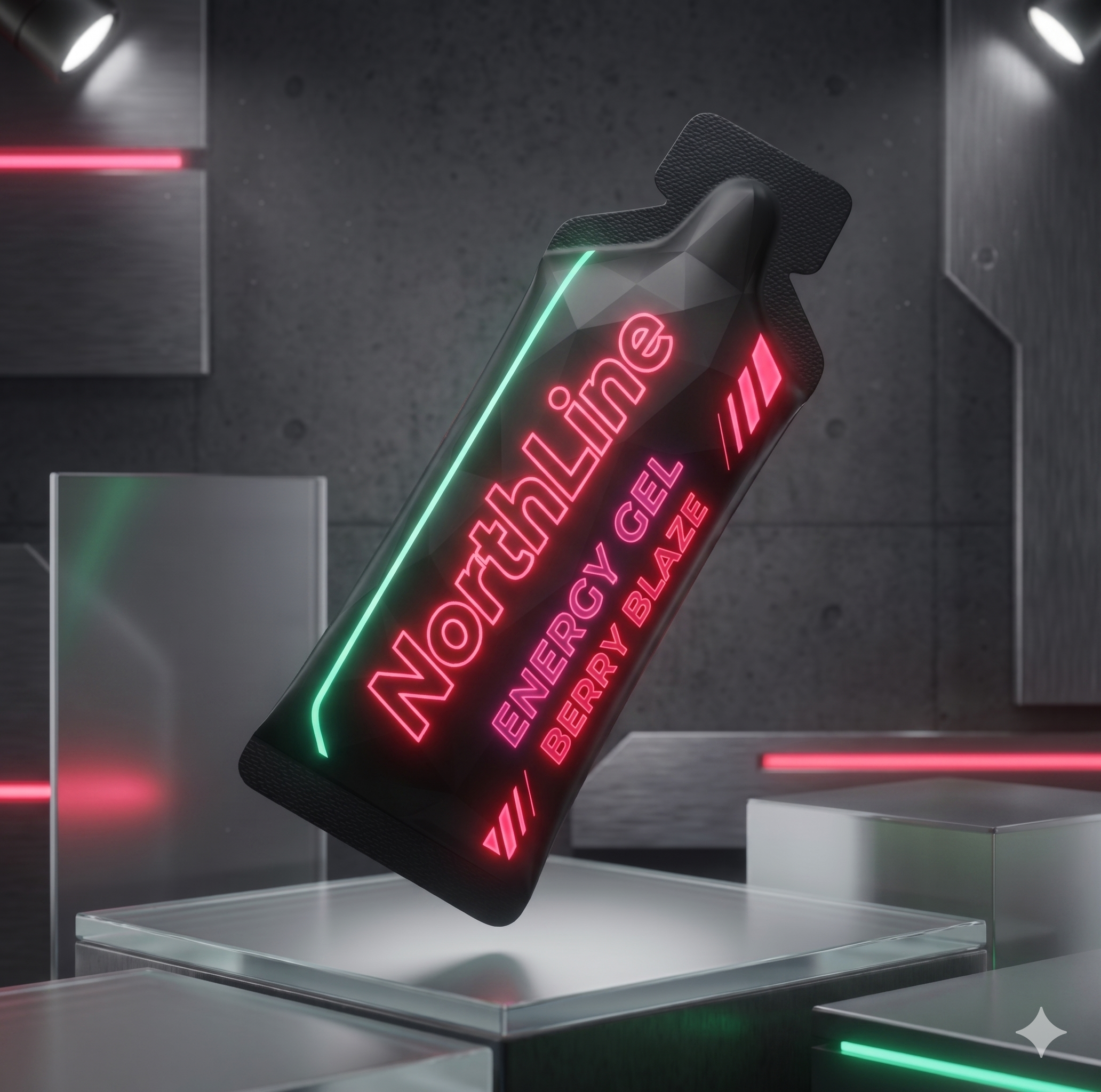
A full recovery meal within 2 hours completes glycogen resynthesis. Use the Race Day Nutrition Planner to calculate your specific carbohydrate and fluid targets based on body weight and race conditions. NorthLine Berry or Green Apple gels are ideal for the pre-race top-up and mid-bike fueling moment in sprint events.