The glycemic index (GI) is one of the most useful — and most misunderstood — tools in endurance nutrition. GI ranks carbohydrate-containing foods on a scale of 0–100 based on how quickly they raise blood glucose after eating. High-GI foods (70+) cause a rapid spike, while low-GI foods (55 or below) produce a gradual, sustained rise. For endurance athletes, neither is inherently "good" or "bad" — the key is matching GI to the training context.
Research shows that consuming low-GI foods 2–3 hours before exercise improves fat oxidation by approximately 20% and sustains blood glucose for longer compared to high-GI pre-exercise meals. During exercise, the situation reverses: high-GI foods deliver glucose faster to working muscles, which is exactly what you need when glycogen stores are depleting at 60–90g per hour. After exercise, high-GI foods accelerate glycogen resynthesis by 30–50% in the critical first 2 hours. Understanding these timing principles transforms the glycemic index from a confusing number into a practical fueling strategy.
Understanding Glycemic Index vs Glycemic Load
GI measures the quality of a carbohydrate — how fast it raises blood sugar. Glycemic load (GL) accounts for both quality and quantity — it multiplies the GI by the actual carbohydrate content per serving. A food can have a high GI but a low GL if the serving size contains little carbohydrate. Watermelon, for example, has a GI of 76 (high) but a GL of only 4 per 120g serving (low) because it's mostly water.
For endurance athletes, both metrics matter. During pre-exercise meals, focus on GL — you want a moderate total carbohydrate load that releases slowly. During exercise, focus on GI — you want the fastest possible glucose delivery regardless of total load.
Pre-Training and Pre-Race: Low to Moderate GI
Eat your pre-exercise meal 2–4 hours before training. Choose low-to-moderate GI carbohydrates that provide sustained energy without a rapid insulin spike (which can paradoxically cause reactive hypoglycaemia at exercise onset):
- Low GI (55 or below): Steel-cut oats (GI 42), sweet potato (GI 48), lentils (GI 32), most fruits (apple GI 36, banana slightly under-ripe GI 42), whole-grain bread (GI 51)
- Moderate GI (56–69): Basmati rice (GI 58), whole wheat pasta (GI 61), ripe banana (GI 62), honey (GI 61)
A practical pre-race breakfast: steel-cut oats with banana and a drizzle of honey — GI approximately 48–55, providing 60–80g of carbohydrates that sustain blood glucose for 3–4 hours. Avoid adding fat or fibre-heavy toppings (nuts, seeds) that slow gastric emptying beyond what you need.
During Exercise: High GI Is Essential
Once you are exercising at moderate to high intensity, insulin sensitivity is dramatically elevated — your muscles are pulling glucose out of the blood independently of insulin via the GLUT-4 transporter. This is when high-GI carbohydrates shine: they deliver glucose to the bloodstream within 15–20 minutes of ingestion, matching the rate at which your muscles are consuming it.
- High GI (70+): Energy gels (GI 85–95), sports drinks (GI 80+), white bread (GI 75), jelly beans (GI 80), ripe banana (GI 72 when very ripe), dates (GI 70–75)
- Target intake: 30–60g per hour for sessions under 2.5 hours; 60–90g per hour for longer events using dual-transporter gels
During exercise, you want the fastest possible glucose absorption — this is not the time for complex carbohydrates, whole grains, or low-GI foods. The stomach has limited blood flow during exercise, and slow-digesting foods increase the risk of GI distress.
Post-Exercise: High GI for the First 2 Hours
The 2-hour window after exercise is when glycogen synthase activity is at its peak — the enzyme responsible for converting blood glucose back into stored muscle glycogen. High-GI carbohydrates exploit this window by flooding the bloodstream with glucose when the muscles are most receptive:
- Target: 1.0–1.2g of carbohydrate per kilogram of body weight within the first 30 minutes, repeated every 2 hours for 4–6 hours after long sessions
- Effective choices: white rice (GI 73), white bread with jam (GI 78), sports drinks, potatoes (GI 82), rice cakes (GI 82)
- Pair with 20–30g of protein to enhance glycogen resynthesis by an additional 38% (the insulin co-stimulation effect)
After the initial 2-hour window, transition back to moderate-GI foods for the remainder of the day to avoid excessive blood sugar fluctuations that can impair sleep quality.
GI Meal Planning Across a Training Week
Periodise your GI strategy alongside your training load:
- Easy/rest days: Emphasise low-GI foods throughout the day. Lower overall carbohydrate intake and prioritise complex carbohydrates, vegetables, and protein
- Hard training days: Low-GI breakfast 3 hours pre-training → high-GI fuel during training → high-GI recovery meal immediately after → moderate-GI meals for the rest of the day
- Race week: Shift to moderate-to-high GI foods during the 48-hour carb load to maximise glycogen storage. White rice, white pasta, white bread, and sports drinks are your friends during the load — this is not the week for quinoa and kale
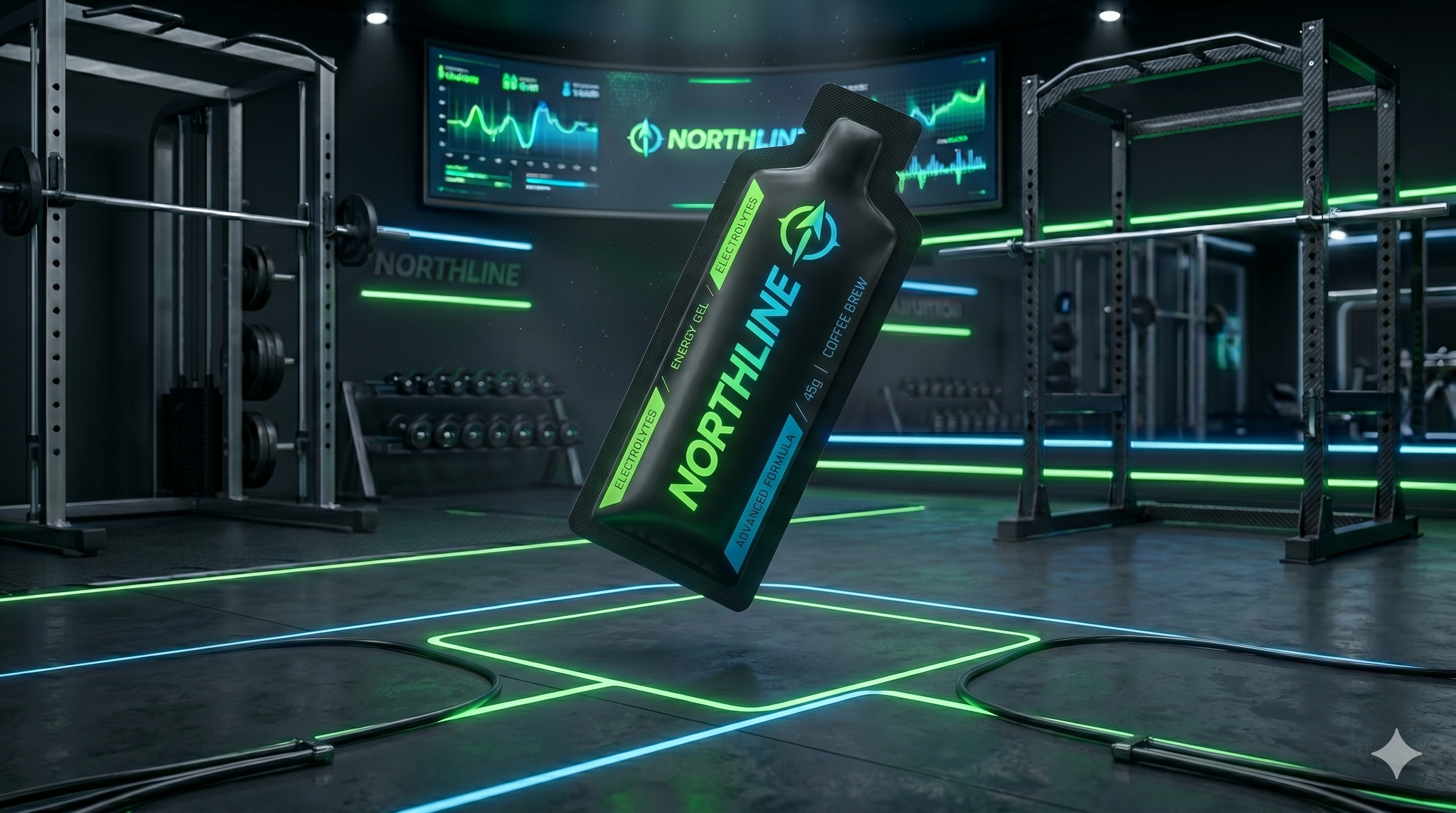
The glycemic index is a tool, not a religion. Individual GI responses vary by up to 25% based on gut microbiome, food preparation method, and what else you eat alongside the carbohydrate. Use the GI values as a starting framework and refine based on how you feel during training. For the complete carbohydrate strategy including loading protocols, read our race-day carb loading guide. NorthLine gels are engineered as high-GI fuel (glucose-fructose blend, GI approximately 90) designed specifically for during-exercise use — the 22g carbohydrate serving is rapidly absorbed via the dual-transporter pathway, and the Race Day Nutrition Planner calculates exactly how many gels you need based on your event duration and target carbohydrate intake per hour.