The century ride is the most common "bucket list" cycling goal — and one of the most predictably mismanaged nutritionally. The pattern is familiar: confident start, comfortable first 60 miles, and then the progressive deterioration from mile 70 onwards as glycogen runs dry. The athletes who finish strong have one thing in common: they started fueling before they needed to, and they never stopped.
A century at moderate pace burns approximately 600–700 calories per hour, totalling 3,500–5,600 calories across a 5–8 hour ride. You enter with 1,500–2,000 calories of glycogen. Without active fueling, that deficit becomes debilitating by mile 50–60.
Calculating Your Caloric and Carbohydrate Needs
The primary fueling currency for cycling is carbohydrates. Target 60–80g of carbohydrate per hour on the bike, depending on intensity and heat. At a comfortable endurance pace (65–75% of FTP), 60–70g/hour is appropriate. Harder efforts or hot conditions push this to 75–90g/hour. For a 6-hour century, this means 360–540g of total carbohydrates consumed during the ride — in addition to breakfast. That is 1,440–2,160 calories of on-bike fueling. Many athletes initially find this number shocking; it is nonetheless what the research supports and what experience confirms.
Pre-Ride Breakfast: Loading Up Correctly
Eat breakfast 2.5–3.5 hours before your century start. Target 1.5–2g of carbohydrates per kilogram of body weight — for a 75kg cyclist, that is 112–150g of carbohydrates. Easy-to-digest options:
- Oatmeal with banana and honey (approximately 80–100g carbohydrate)
- White toast (3 slices) with jam and a banana (approximately 90–110g carbohydrate)
- White rice with a scrambled egg and fruit (approximately 100–130g carbohydrate)
Include 300–500ml of fluid with breakfast and an additional 300ml in the 60 minutes before the start. Avoid high-fat, high-fibre, or gas-producing foods that can cause GI distress in the saddle.
On-Bike Fueling: Gels, Bars, and Real Food
Start fueling at 30–45 minutes, not when you feel hungry. Divide your fueling approach into three phases:
- Miles 1–40: Primary fuel from gels and sports drink. Stomach is fresh and absorption is highest. Target 65–75g carbohydrate/hour. Gel every 30 minutes, wash with 150–200ml water.
- Miles 40–70: Introduce solid foods if desired — rice cakes, sports bars, banana halves. Many riders find real food psychologically satisfying at this stage. Continue gels as a backup. Target 70–80g carbohydrate/hour.
- Miles 70–100: Return to primarily liquid and gel-based fueling. At high fatigue levels, solid food slows gastric emptying. Increase gel frequency if needed — this is the window where under-fueling becomes catastrophic. Many riders also benefit from a caffeine gel (100mg) at mile 70–80.
Electrolyte Strategy for Long Rides
Sweat sodium losses on a 5–8 hour summer ride are substantial — average athletes lose 500–1,000mg of sodium per hour in warm conditions. Replacing sodium is not optional for century rides. Practical electrolyte strategy:
- Use an electrolyte sports drink rather than plain water as your primary hydration — it simultaneously provides carbohydrates and sodium.
- Add electrolyte tablets or salt capsules at the 2-hour mark and every 90 minutes thereafter in hot conditions.
- NorthLine electrolyte cans contain 300mg sodium per serving — useful for top-up between aid stations.
- Target 500–700mg sodium per hour in moderate conditions; 800–1,000mg/hour in heat above 25°C.
The Final 20 Miles: When Fueling Gets Hard
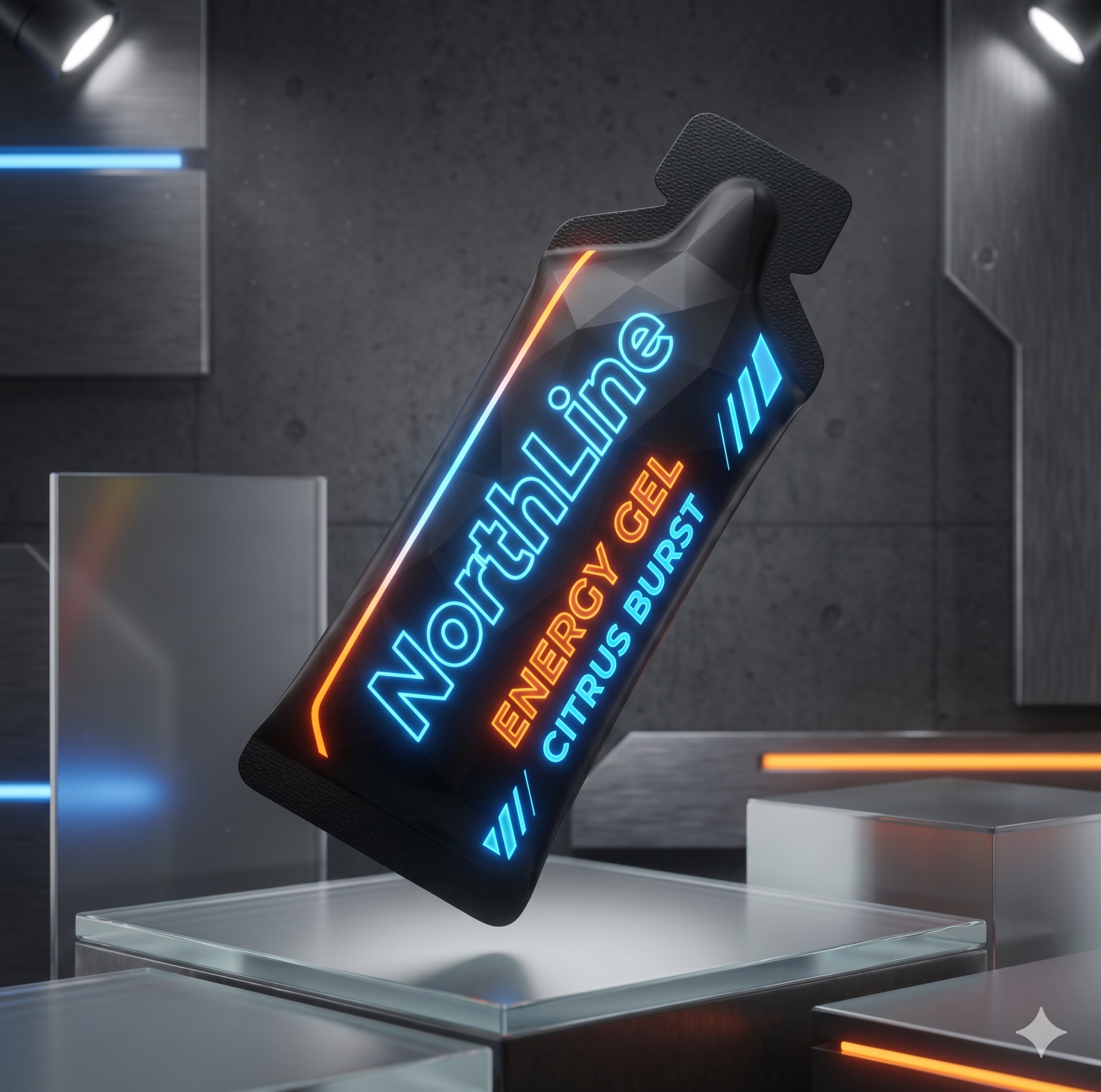
Appetite suppression and nausea are common after 4–5 hours of cycling. This is normal — but continuing to fuel is critical. Strategies for difficult final miles: switch to a cola-style drink if available at aid stations (the caffeine + simple carbohydrate combination is effective), reduce gel volume but increase frequency (half a gel every 20 minutes rather than a full gel every 40), and ensure fluid intake remains consistent. Dehydration dramatically amplifies perceived fatigue and GI distress. Use the Race Day Nutrition Planner to build a detailed per-hour fueling schedule for your target century completion time, and load NorthLine gels into your jersey pockets the night before to avoid scrambling on race morning.
Common Century Ride Nutrition Mistakes
- Fueling from feelings: Not eating until hungry means you are already 30–45 minutes into a deficit by the time you act. Fuel on a schedule, not on appetite.
- Relying on aid stations: Aid station carbohydrate availability varies. Always carry enough fuel to complete a 90-minute gap between stations independently.
- Skipping electrolytes: Plain water during a hot century is a recipe for hyponatremia or severe cramping. Every bottle should contain some electrolytes.
- Trying new foods on the day: Never eat anything during a target century ride that you have not specifically tested in training rides of similar duration.