The pre-race breakfast serves one purpose: arrive at the start line with high blood glucose, replenished liver glycogen from overnight fasting, and a calm, settled digestive system. It is not the time for nutritional experimentation, nor is it the meal that defines your performance — that work was done during carbohydrate loading in the preceding 48–72 hours. Race morning breakfast is the final fuel top-up, not the foundation.
The two most common race morning mistakes: eating too little (anxious athletes suppress appetite and undereat) and eating too much or too close to the start (causing GI distress during the race). Both are avoidable with a clear protocol established during training.
The Timing Window: When to Eat
The ideal race morning meal is consumed 2.5–3.5 hours before your race start time. This window allows sufficient digestion while maximising blood glucose going into the race. For athletes with sensitive stomachs, the 3–3.5 hour window is safer. If your race starts at 7:00am, breakfast should begin at 3:30–4:30am — an uncomfortable alarm, but a predictable one. If your race logistics make a 3-hour window impossible, a smaller, lower-fibre breakfast 2 hours before start is adequate, though slightly suboptimal. Never eat a large meal within 90 minutes of a race start.
What to Eat: Carbohydrate Targets by Race Distance
Race morning breakfast carbohydrate targets vary by race duration:
- 5km and 10km: 40–60g of carbohydrates. These races are short enough that breakfast is primarily for GI settling and blood glucose maintenance. A banana and toast is sufficient.
- Half marathon: 60–90g of carbohydrates. Oatmeal with banana, or 2–3 slices of white toast with jam and fruit.
- Marathon: 80–120g of carbohydrates (1–1.5g per kg body weight). White toast, pasta, rice, or oatmeal — familiar foods from training. A 75kg runner should target 75–100g of carbohydrates.
- Ironman / ultra: 100–150g of carbohydrates. The longer the race, the more important a full breakfast becomes — though never force-feed beyond comfort.
Best Race Morning Foods
- White toast or bagel with jam or honey — easy to digest, low fibre, high carbohydrate density
- Oatmeal (made with water rather than milk) with banana and honey — a reliable pre-race staple
- White rice with a small amount of honey or jam — particularly popular among Asian and Pacific athletes
- Sports nutrition bars tested in training (avoid bars with high fat or fibre content)
- Banana — easy to digest, portable, and well-tolerated by most athletes at all intensity levels
Foods to Avoid on Race Morning
- High-fat foods: Eggs cooked in butter, bacon, avocado, nut butter in large amounts. Fat slows gastric emptying and can cause mid-race GI distress.
- High-fibre foods: Bran cereal, wholegrain bread, raw fruit skins, smoothies with kale or spinach.
- Dairy in large amounts: Many athletes experience mild lactose sensitivity under racing stress that would be imperceptible normally.
- Unfamiliar foods: Hotel breakfast buffets are a minefield. Eat what you practised in training or bring your own.
- Excessive caffeine on an empty stomach: Caffeine before breakfast increases GI motility and can cause urgent bowel movements at inconvenient times.
Managing Pre-Race Nerves and Appetite Suppression
Stress hormones (cortisol, epinephrine) released before a race suppress appetite and slow gastric emptying. Many athletes genuinely cannot face solid food on race morning. Solutions: liquid carbohydrates (sports drink, diluted fruit juice) are easier to consume under stress than solid food. If solid food is impossible, a higher-carbohydrate sports drink consumed over 60–90 minutes can provide 60–80g of carbohydrates with minimal GI demand. Practise your race morning routine — including breakfast — in training on long run days to desensitise the stress response.
The Final 30–60 Minute Fueling Window
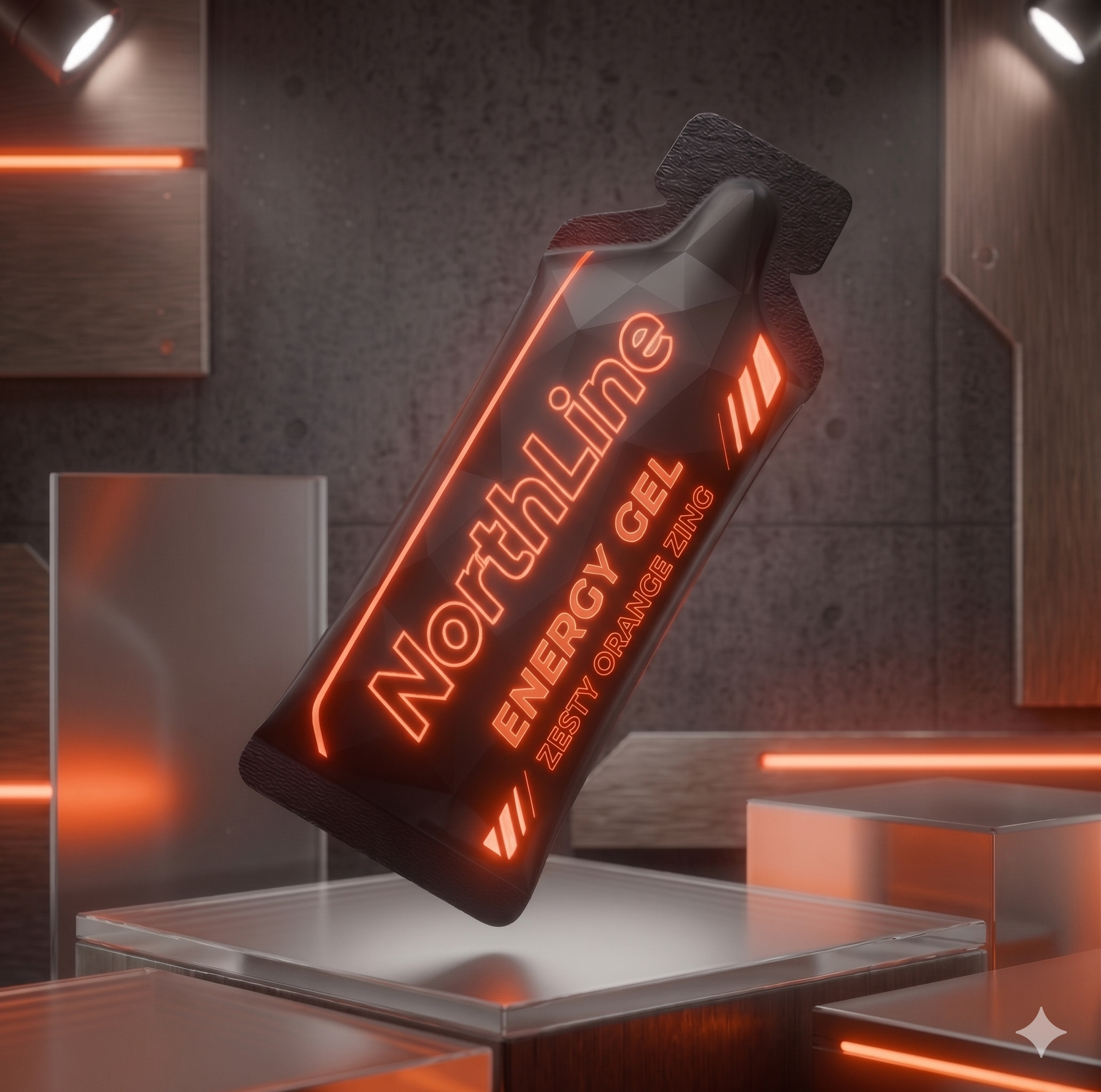
If your race start is within 60 minutes and you have not eaten: a single gel (20–25g carbohydrate) with 150ml of water is the maximum appropriate intake. This is not the time for a full breakfast top-up — it is too close to the start for meaningful digestion and risks GI distress. If your race is more than 60 minutes away, a sports drink with electrolytes and a small banana is appropriate. Use the Race Day Nutrition Planner to build and rehearse your race morning protocol based on your specific race start time and distance — enter your finishing goal and the planner produces a gel-by-gel schedule you can practise on NorthLine gels in training before race day.